Safety note: Admin approval is an initial review, not a guarantee that every detail is correct. Check important or urgent claims with official sources and report anything inaccurate or unsafe.
Source and credit: Contributor's own report
Geelong Community Divided Over Calls for Medically Supervised Injecting Facility - Geelong, VIC
Smart summary
Debate grows as residents and leaders discuss drug harm reduction options in Greater Geelong
A proposal for a medically supervised injecting facility in Geelong has sparked debate among residents, health advocates and political leaders, with community members divided over whether the service should be introduced in the region. The discussion has gained attention following concerns about rising drug-related harm and overdose deaths in Greater Geelong.
Supporters of the proposal argue that a supervised facility could provide a safer environment for people experiencing drug dependence while connecting them with health services, counselling and treatment options. They say harm reduction programs can help prevent fatal overdoses and create pathways towards recovery.
Opponents have raised concerns about the possible impact on public safety, local businesses and surrounding communities. Some residents believe more focus should be placed on prevention programs, rehabilitation services and addressing the causes of drug addiction rather than establishing a supervised injecting site.
The debate comes after Greater Geelong recorded a significant number of fatal drug overdoses, increasing pressure on authorities and community organisations to consider new approaches. Health groups have called for expanded support services, arguing that regional communities need better access to specialised drug and alcohol treatment.
Local politicians have expressed different views on the issue. Some support exploring additional harm reduction measures, while others have raised concerns about introducing such a facility in the city. The Victorian Government has not announced plans to establish a supervised injecting room in Geelong.
Community discussions have focused on finding a balance between public safety and providing support for people affected by substance dependence. Advocates say ignoring the issue could allow overdose risks to continue, while critics argue any solution must carefully consider the impact on nearby residents and businesses.
Geelong has experienced significant population growth and urban development in recent years, increasing demand for healthcare, social services and community support programs. Local organisations continue working to provide assistance for vulnerable residents through existing health and wellbeing services.
Experts say drug-related challenges require a combination of approaches, including early intervention, mental health support, education, treatment programs and community-based services. They emphasise that long-term solutions need cooperation between government agencies, healthcare providers and local communities.
The discussion is expected to continue as Geelong residents, policymakers and health organisations consider the best strategies to reduce harm while maintaining community confidence.
GeelongCommunityHealthServicesResidents
A proposal for a medically supervised injecting facility in Geelong has sparked debate among residents, health advocates and political leaders, with community members divided over whether the service should be introduced in the region. The discussion has gained attention following concerns about rising drug-related harm and overdose deaths in Greater Geelong.
Supporters of the proposal argue that a supervised facility could provide a safer environment for people experiencing drug dependence while connecting them with health services, counselling and treatment options. They say harm reduction programs can help prevent fatal overdoses and create pathways towards recovery.
Opponents have raised concerns about the possible impact on public safety, local businesses and surrounding communities. Some residents believe more focus should be placed on prevention programs, rehabilitation services and addressing the causes of drug addiction rather than establishing a supervised injecting site.
The debate comes after Greater Geelong recorded a significant number of fatal drug overdoses, increasing pressure on authorities and community organisations to consider new approaches. Health groups have called for expanded support services, arguing that regional communities need better access to specialised drug and alcohol treatment.
Local politicians have expressed different views on the issue. Some support exploring additional harm reduction measures, while others have raised concerns about introducing such a facility in the city. The Victorian Government has not announced plans to establish a supervised injecting room in Geelong.
Community discussions have focused on finding a balance between public safety and providing support for people affected by substance dependence. Advocates say ignoring the issue could allow overdose risks to continue, while critics argue any solution must carefully consider the impact on nearby residents and businesses.
Geelong has experienced significant population growth and urban development in recent years, increasing demand for healthcare, social services and community support programs. Local organisations continue working to provide assistance for vulnerable residents through existing health and wellbeing services.
Experts say drug-related challenges require a combination of approaches, including early intervention, mental health support, education, treatment programs and community-based services. They emphasise that long-term solutions need cooperation between government agencies, healthcare providers and local communities.
The discussion is expected to continue as Geelong residents, policymakers and health organisations consider the best strategies to reduce harm while maintaining community confidence.
New funding from local charity Wishlist is improving communication support for patients at Bundaberg Hospital, with resources designed to help people communicate more effectivel...
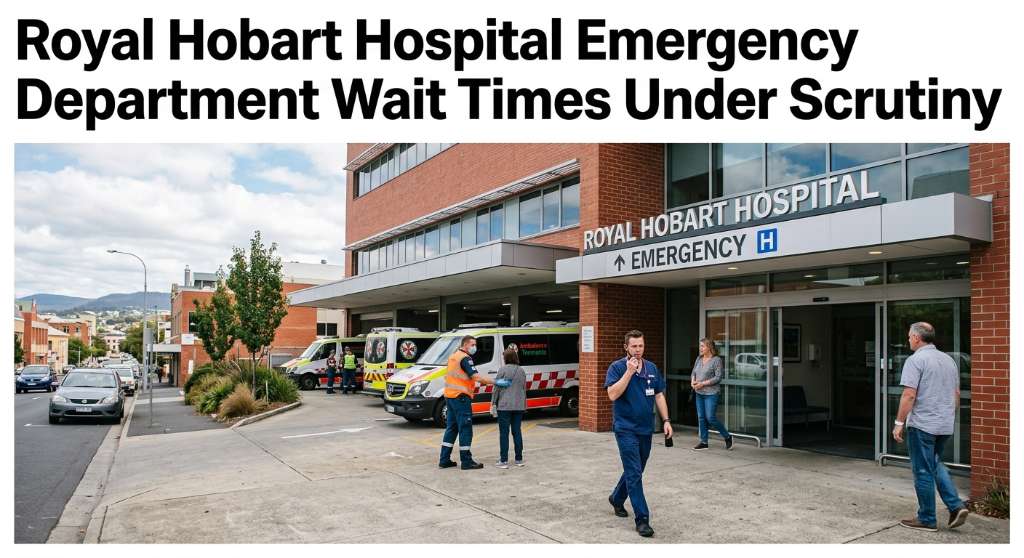
New figures have renewed concerns about emergency department delays at Royal Hobart Hospital, with the health system facing questions over patient waiti...
Central Coast New South Wales · Health News · 10 Sep 2026
The design for new Key Health Worker Accommodation at Wyong has been released today, with the project aimed at helping address the need for suitable accommodation for healthcare...
New workplace data shows staff absenteeism jumped sharply during the historic MCG NFL event, while Melbourne businesses also benefited from a major spen...
Darwin Northern Territory · Crime News · 18 Sep 2026
Northern Territory Police are appealing for information to help locate Lachlan Burgess, a Territory man reported missing in the Northern Territory.making it a current Darwin-are...
Darwin Northern Territory · Crime News · 18 Sep 2026
Northern Territory Police are investigating the death of a 28-year-old woman at a home in Malak, Darwin, with a 25-year-old man charged in connection with alleged assaults and b...
Central Coast New South Wales · Business News · 18 Sep 2026
More than 130 oyster-lease operators on the Central Coast are set to benefit from reforms announced by the NSW Government, with the changes designed to provide greater certainty...
Central Coast New South Wales · Crime News · 18 Sep 2026
A man has been charged following a police investigation into alleged detaining and assault offences on the Central Coast, according to a report published by Coast Community News...