Safety note: Admin approval is an initial review, not a guarantee that every detail is correct. Check important or urgent claims with official sources and report anything inaccurate or unsafe.
Source and credit: Contributor's own report
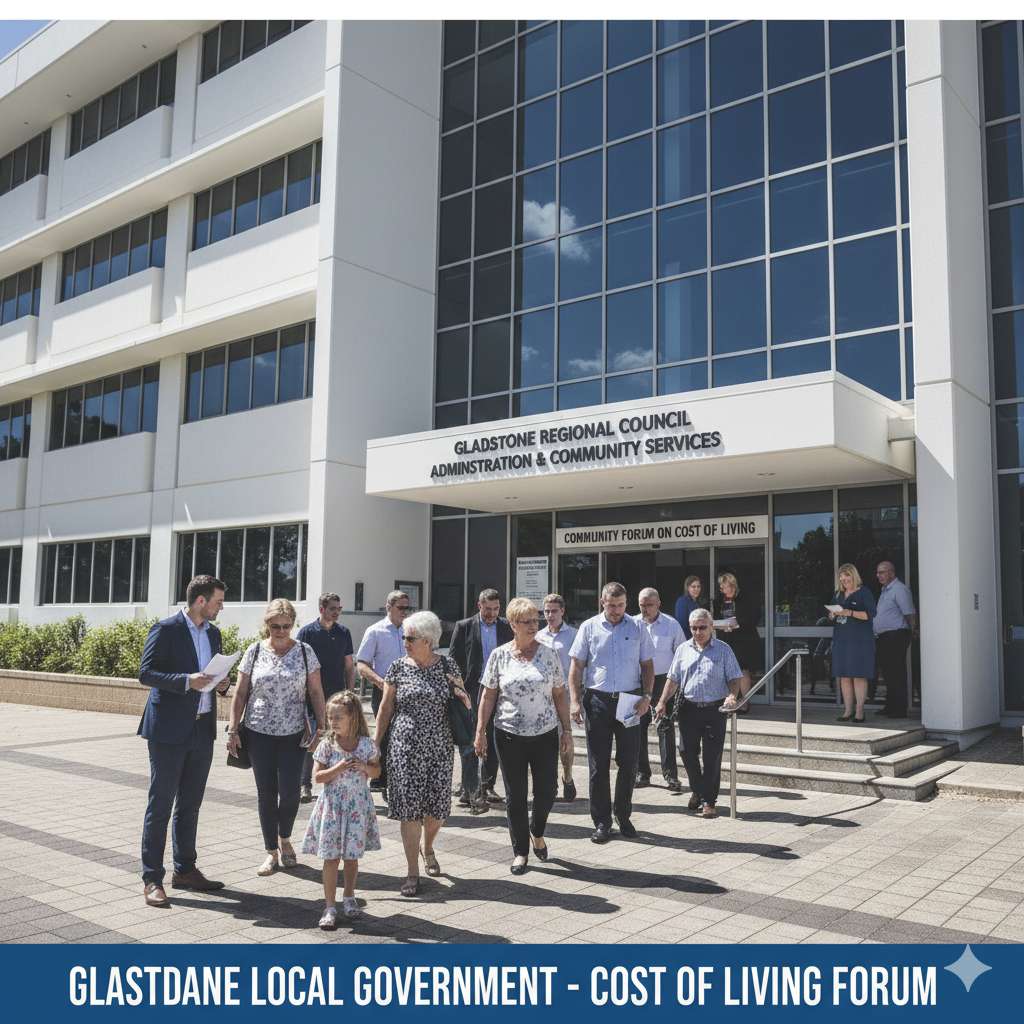
Gladstone Regional Council building exterior.
Smart summary
Rising cost-of-living pressures have led thousands of Gladstone residents to enter into flexible rate payment arrangements with the local council, with outstanding balances now exceeding $2 million.
More than $2 million in unpaid council rates is currently being managed through formal payment plans in the Gladstone region, highlighting the financial pressures facing many households amid ongoing cost-of-living challenges.
New figures released by Gladstone Regional Council show that thousands of ratepayers are using structured repayment arrangements to keep up with their local government obligations while managing household budgets. The data provides a snapshot of the economic difficulties affecting residents across the region as inflation, housing costs, utility bills, and other living expenses continue to place pressure on family finances.
Council representatives say payment plans are an important tool that allows residents to avoid falling into significant arrears while maintaining essential council revenue streams used to fund community services and infrastructure projects. Rather than requiring immediate payment of outstanding rates, the arrangements enable ratepayers to spread costs over manageable periods.
According to council data, more than $2 million in rates debt is currently covered by active payment agreements. Officials indicated that the number of residents seeking assistance has increased as economic conditions remain challenging for many households and businesses.
Local governments throughout Queensland have reported similar trends in recent years, with more property owners requesting flexible payment options. Financial pressures have been particularly noticeable in regional areas where fluctuations in employment, housing affordability, and household expenses can significantly affect family budgets.
Gladstone Regional Council has encouraged residents experiencing financial hardship to contact council representatives early rather than allowing debts to accumulate. Early engagement often provides access to payment arrangements and support options that can prevent further financial difficulties.
The council noted that rates revenue remains a critical source of funding for a wide range of local services. These include road maintenance, waste collection, parks and recreation facilities, community programs, libraries, drainage systems, and other essential infrastructure used by residents throughout the region.
Economic analysts say the growing use of payment plans reflects broader cost-of-living concerns being experienced across Australia. While employment levels remain relatively strong in many regions, rising household expenses continue to affect disposable income and savings levels.
Gladstone's economy remains heavily influenced by industry, resources, manufacturing, and port-related activities. While these sectors contribute significantly to regional employment and economic growth, many households are still navigating increased living costs and financial uncertainty.
Council leaders emphasised that payment plans are not unusual and are designed to support residents through temporary financial challenges. They stressed that the arrangements help balance community needs with the council's responsibility to maintain financial sustainability and continue delivering essential services.
The latest figures demonstrate the importance of flexible financial support mechanisms within local government systems. As economic conditions continue to evolve, councils across Queensland are expected to maintain programs that assist ratepayers while ensuring the continued delivery of infrastructure and community services.
For many Gladstone residents, payment plans provide a practical pathway to remain up to date with rates obligations while managing broader household financial pressures. Council officials say they will continue monitoring trends and working with residents to support sustainable repayment solutions where needed.
CouncilPaymentFinancialResidentsGladstone
More than $2 million in unpaid council rates is currently being managed through formal payment plans in the Gladstone region, highlighting the financial pressures facing many households amid ongoing cost-of-living challenges.
New figures released by Gladstone Regional Council show that thousands of ratepayers are using structured repayment arrangements to keep up with their local government obligations while managing household budgets. The data provides a snapshot of the economic difficulties affecting residents across the region as inflation, housing costs, utility bills, and other living expenses continue to place pressure on family finances.
Council representatives say payment plans are an important tool that allows residents to avoid falling into significant arrears while maintaining essential council revenue streams used to fund community services and infrastructure projects. Rather than requiring immediate payment of outstanding rates, the arrangements enable ratepayers to spread costs over manageable periods.
According to council data, more than $2 million in rates debt is currently covered by active payment agreements. Officials indicated that the number of residents seeking assistance has increased as economic conditions remain challenging for many households and businesses.
Local governments throughout Queensland have reported similar trends in recent years, with more property owners requesting flexible payment options. Financial pressures have been particularly noticeable in regional areas where fluctuations in employment, housing affordability, and household expenses can significantly affect family budgets.
Gladstone Regional Council has encouraged residents experiencing financial hardship to contact council representatives early rather than allowing debts to accumulate. Early engagement often provides access to payment arrangements and support options that can prevent further financial difficulties.
The council noted that rates revenue remains a critical source of funding for a wide range of local services. These include road maintenance, waste collection, parks and recreation facilities, community programs, libraries, drainage systems, and other essential infrastructure used by residents throughout the region.
Economic analysts say the growing use of payment plans reflects broader cost-of-living concerns being experienced across Australia. While employment levels remain relatively strong in many regions, rising household expenses continue to affect disposable income and savings levels.
Gladstone's economy remains heavily influenced by industry, resources, manufacturing, and port-related activities. While these sectors contribute significantly to regional employment and economic growth, many households are still navigating increased living costs and financial uncertainty.
Council leaders emphasised that payment plans are not unusual and are designed to support residents through temporary financial challenges. They stressed that the arrangements help balance community needs with the council's responsibility to maintain financial sustainability and continue delivering essential services.
The latest figures demonstrate the importance of flexible financial support mechanisms within local government systems. As economic conditions continue to evolve, councils across Queensland are expected to maintain programs that assist ratepayers while ensuring the continued delivery of infrastructure and community services.
For many Gladstone residents, payment plans provide a practical pathway to remain up to date with rates obligations while managing broader household financial pressures. Council officials say they will continue monitoring trends and working with residents to support sustainable repayment solutions where needed.
Darwin Northern Territory · Other News · 01 Sep 2026
A scenic hike through Butterfly Gorge in the Northern Territory turned into a frightening experience when a buffalo charged at two hikers. ABC Darwin reported the story today, 1...
Coffs Harbour New South Wales · Other News · 01 Sep 2026
A Safe Work NSW inspection blitz across the Coffs Harbour region has uncovered dozens of workplace-safety issues in the horticulture industry. The operation followed concerns ab...
A major Queensland Government infrastructure investment is set to unlock thousands of new homes across the Fraser Coast, including projects in Maryborough.
A vegetation fire is burning near Glenlyon Road in Kirkwood, close to Gladstone, with Queensland authorities warning residents that conditions could change quickly. The latest o...
Three people are facing drug-trafficking charges connected to a major Gladstone investigation. The matter was before Gladstone Magistrates Court today, where the court heard tha...
Queensland Police have reported a significant enforcement operation in the Gladstone region, with nine people charged with a total of 22 offences following investigations into t...
Gladstone police have faced questions in court over delays in providing evidence connected with an alleged $3 million drug-trafficking operation. Three accused people — Kain Wil...
Queensland's emerging football prospects are coming together for a three-day Brisbane Lions State Academy showcase, giving young players an opportunity...
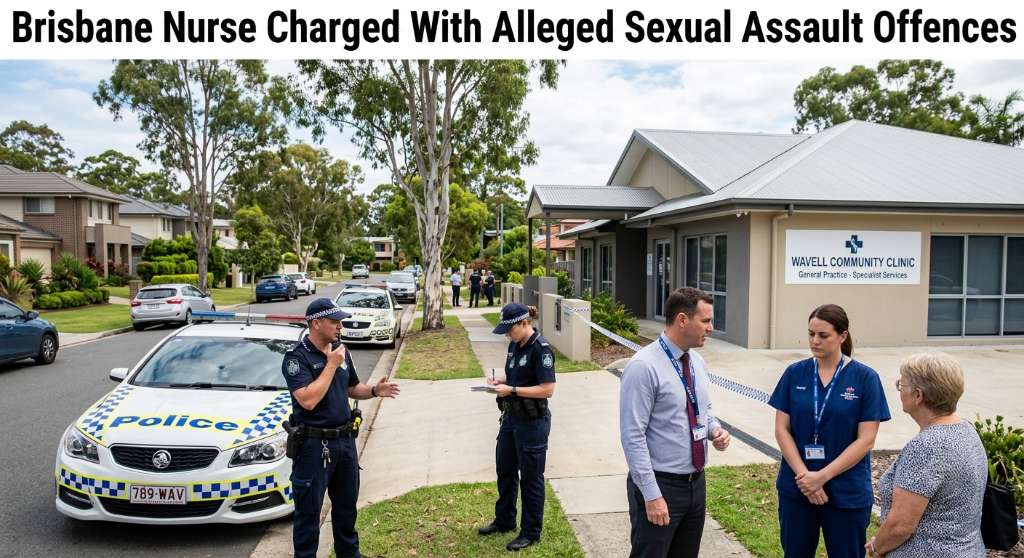
A Wavell Heights enrolled nurse has been charged with four counts of alleged sexual assault and one count of wilful exposure, with his professional regi...
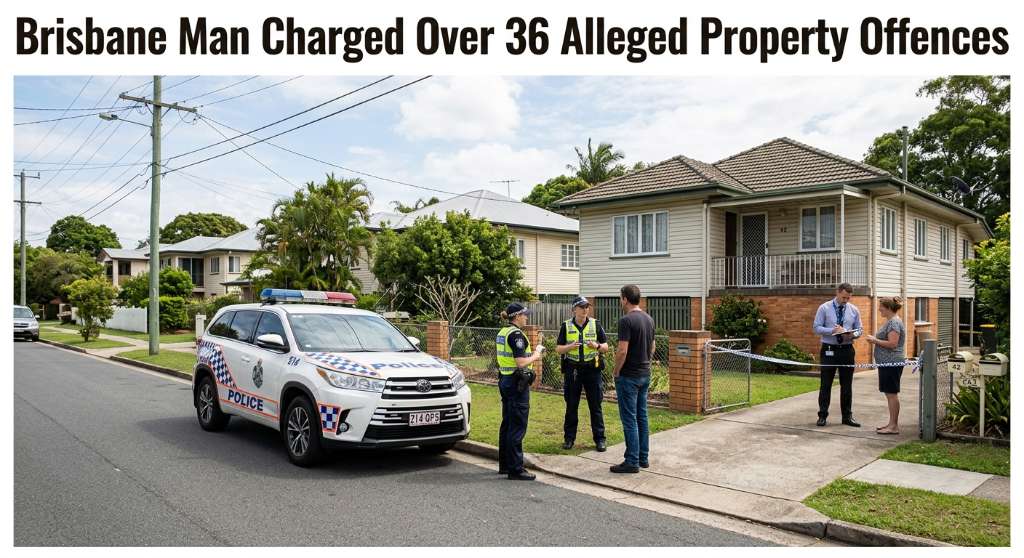
A 24-year-old Carina Heights man has been charged with 36 offences following an investigation into alleged break-ins, vehicle offences and other propert...
Cairns Regional Council has unanimously voted to seek $400,000 in Queensland Government funding for a program designed to connect local businesses with the region’s growing film...
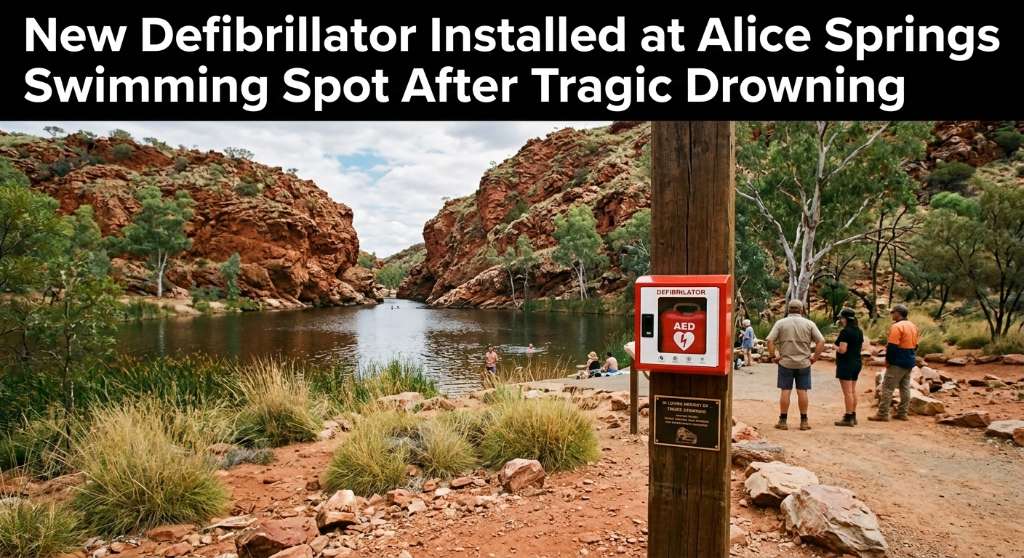
An automated external defibrillator and memorial plaque have been installed at Ellery Creek Big Hole following the death of disability advocate Ellen Fr...
Queensland firefighters spent several hours monitoring a significant grass fire at Mary Kinross Park in Bargara, near Bundaberg, after the blaze broke out on Wednesday evening....