Safety note: Admin approval is an initial review, not a guarantee that every detail is correct. Check important or urgent claims with official sources and report anything inaccurate or unsafe.
Source and credit: Contributor's own report
The historic J. Boag & Son Brewery site in Launceston, Tasmania.
Smart summary
Concerns are mounting in Launceston following the announcement that the historic J. Boag & Son Brewery is expected to cease brewing operations by 2026, prompting fears over job losses and the future of local tourism.
The city of Launceston is facing a period of significant uncertainty following the announcement that the historic J. Boag & Son Brewery is expected to cease brewing operations in 2026. As one of Tasmania’s most recognisable industrial landmarks, the brewery has been a cornerstone of the region’s identity and economy for well over a century. The decision by owner Lion to end production at the site has sent shockwaves through the community, with local business leaders and residents alike expressing deep concern over the potential long-term consequences. For generations, the brewery has been more than just a place of work; it has been a symbol of Tasmanian manufacturing and a source of local pride. Having operated since the 19th century, the site is widely regarded as one of Australia's most historic brewing facilities. The news of its planned closure has prompted strong emotional reactions, reflecting the deep connection many residents feel toward the iconic brand and the facility itself. The economic implications are a primary focus for local stakeholders. While the full extent of the impact remains to be seen, business groups have warned that the fallout could extend far beyond the brewery’s direct employees. There is significant concern that the closure will negatively affect a wide network of suppliers, contractors, and local hospitality businesses that rely on the brewery’s ongoing operations. Furthermore, the brewery is a vital component of Launceston’s tourism sector. The site has long attracted visitors from across Australia and overseas, with brewery tours and hospitality experiences serving as a key drawcard for the city. Tourism operators fear that the loss of active brewing could reduce visitor numbers, potentially weakening one of the city's best-known attractions. Many tourists currently include a visit to the brewery as part of their broader itinerary in northern Tasmania, often alongside other major landmarks such as the Cataract Gorge Reserve. In response to the announcement, local government representatives and business organisations have begun exploring strategies to mitigate the impact. Discussions are expected to centre on potential redevelopment opportunities, alternative uses for the historic site, and support mechanisms for the workers and businesses affected by the transition. There is a collective hope among community leaders that the site’s significant heritage can be preserved in some capacity. Calls have been made for a collaborative approach involving government, industry, and the community to ensure that the brewery’s history is honoured and that future opportunities are identified for the location. As regional economies across Australia continue to focus on diversification and resilience, the situation in Launceston highlights the challenges of balancing industrial change with the preservation of local character. For many, the brewery is an irreplaceable part of the city’s fabric, and its future remains a subject of intense public interest. Further details may be updated as more information becomes available.
Concerns are growing across Launceston following the announcement that the historic J. Boag & Son Brewery is expected to cease brewing operations in 2026, with local business leaders warning the closure could have far-reaching consequences for employment, tourism and the city's economic future. The brewery, which has operated in Launceston for well over a century, is one of Tasmania’s most recognisable industrial landmarks and a major contributor to the region’s identity. News that owner Lion plans to end brewing activities at the site has sparked concern among workers, tourism operators and community leaders who fear the decision will have lasting effects on the northern Tasmanian economy. The brewery has long been associated with the city’s heritage and has attracted visitors from across Australia and overseas. Brewery tours, hospitality experiences and the iconic Boag’s brand have become closely linked to Launceston’s tourism offering. Industry representatives say the loss of active brewing operations could reduce visitor numbers and weaken one of the city's best-known attractions. Business groups have described the announcement as a significant blow to the region. While the full economic impact remains uncertain, local leaders warn that job losses could extend beyond brewery employees to affect suppliers, contractors, hospitality businesses and tourism operators that benefit from the brewery’s presence. The facility has been producing beer in Launceston since the 19th century and is widely regarded as one of Australia's most historic brewing sites. Over generations, Boag’s has become a symbol of Tasmanian manufacturing and a source of pride for many local residents. The prospect of brewing ending at the site has prompted strong emotional reactions throughout the community. Economic analysts note that heritage industries often contribute more than direct employment figures suggest. In addition to jobs, they support tourism, local branding and investment attraction. For Launceston, the brewery has served as both a major employer and a prominent part of the city’s image. Tourism operators have expressed concern that the closure could diminish a key visitor experience. Many tourists include brewery visits as part of broader trips through northern Tasmania, alongside attractions such as Cataract Gorge Reserve and regional food and wine destinations. Stakeholders argue that preserving some form of brewing or tourism operation at the site would help protect the city’s tourism appeal. Local government representatives and business organisations have begun exploring ways to minimise the impact of the closure. Discussions are expected to focus on potential redevelopment opportunities, alternative uses for the site and strategies to support affected workers and businesses. Despite the uncertainty, some community leaders remain hopeful that the site’s historic significance can be preserved. There have been calls for government, industry and community groups to work together to ensure the brewery’s heritage is maintained and that future opportunities can be created for the location. The closure announcement comes at a time when regional economies across Australia are increasingly focused on diversification and resilience. Experts say communities with strong tourism and heritage assets are often better positioned to adapt, provided there is sufficient planning and investment. For many residents, however, the issue extends beyond economics. The brewery represents a connection to Launceston’s history and identity, making the potential end of brewing operations particularly significant. As plans for the site continue to unfold, the community will be watching closely to see what future awaits one of Tasmania’s most iconic industrial landmarks and what impact its closure will ultimately have on Launceston’s economy and character.
BreweryLauncestonSiteTourismBrewing
The city of Launceston is facing a period of significant uncertainty following the announcement that the historic J. Boag & Son Brewery is expected to cease brewing operations in 2026. As one of Tasmania’s most recognisable industrial landmarks, the brewery has been a cornerstone of the region’s identity and economy for well over a century. The decision by owner Lion to end production at the site has sent shockwaves through the community, with local business leaders and residents alike expressing deep concern over the potential long-term consequences. For generations, the brewery has been more than just a place of work; it has been a symbol of Tasmanian manufacturing and a source of local pride. Having operated since the 19th century, the site is widely regarded as one of Australia's most historic brewing facilities. The news of its planned closure has prompted strong emotional reactions, reflecting the deep connection many residents feel toward the iconic brand and the facility itself. The economic implications are a primary focus for local stakeholders. While the full extent of the impact remains to be seen, business groups have warned that the fallout could extend far beyond the brewery’s direct employees. There is significant concern that the closure will negatively affect a wide network of suppliers, contractors, and local hospitality businesses that rely on the brewery’s ongoing operations. Furthermore, the brewery is a vital component of Launceston’s tourism sector. The site has long attracted visitors from across Australia and overseas, with brewery tours and hospitality experiences serving as a key drawcard for the city. Tourism operators fear that the loss of active brewing could reduce visitor numbers, potentially weakening one of the city's best-known attractions. Many tourists currently include a visit to the brewery as part of their broader itinerary in northern Tasmania, often alongside other major landmarks such as the Cataract Gorge Reserve. In response to the announcement, local government representatives and business organisations have begun exploring strategies to mitigate the impact. Discussions are expected to centre on potential redevelopment opportunities, alternative uses for the historic site, and support mechanisms for the workers and businesses affected by the transition. There is a collective hope among community leaders that the site’s significant heritage can be preserved in some capacity. Calls have been made for a collaborative approach involving government, industry, and the community to ensure that the brewery’s history is honoured and that future opportunities are identified for the location. As regional economies across Australia continue to focus on diversification and resilience, the situation in Launceston highlights the challenges of balancing industrial change with the preservation of local character. For many, the brewery is an irreplaceable part of the city’s fabric, and its future remains a subject of intense public interest. Further details may be updated as more information becomes available.
Concerns are growing across Launceston following the announcement that the historic J. Boag & Son Brewery is expected to cease brewing operations in 2026, with local business leaders warning the closure could have far-reaching consequences for employment, tourism and the city's economic future. The brewery, which has operated in Launceston for well over a century, is one of Tasmania’s most recognisable industrial landmarks and a major contributor to the region’s identity. News that owner Lion plans to end brewing activities at the site has sparked concern among workers, tourism operators and community leaders who fear the decision will have lasting effects on the northern Tasmanian economy. The brewery has long been associated with the city’s heritage and has attracted visitors from across Australia and overseas. Brewery tours, hospitality experiences and the iconic Boag’s brand have become closely linked to Launceston’s tourism offering. Industry representatives say the loss of active brewing operations could reduce visitor numbers and weaken one of the city's best-known attractions. Business groups have described the announcement as a significant blow to the region. While the full economic impact remains uncertain, local leaders warn that job losses could extend beyond brewery employees to affect suppliers, contractors, hospitality businesses and tourism operators that benefit from the brewery’s presence. The facility has been producing beer in Launceston since the 19th century and is widely regarded as one of Australia's most historic brewing sites. Over generations, Boag’s has become a symbol of Tasmanian manufacturing and a source of pride for many local residents. The prospect of brewing ending at the site has prompted strong emotional reactions throughout the community. Economic analysts note that heritage industries often contribute more than direct employment figures suggest. In addition to jobs, they support tourism, local branding and investment attraction. For Launceston, the brewery has served as both a major employer and a prominent part of the city’s image. Tourism operators have expressed concern that the closure could diminish a key visitor experience. Many tourists include brewery visits as part of broader trips through northern Tasmania, alongside attractions such as Cataract Gorge Reserve and regional food and wine destinations. Stakeholders argue that preserving some form of brewing or tourism operation at the site would help protect the city’s tourism appeal. Local government representatives and business organisations have begun exploring ways to minimise the impact of the closure. Discussions are expected to focus on potential redevelopment opportunities, alternative uses for the site and strategies to support affected workers and businesses. Despite the uncertainty, some community leaders remain hopeful that the site’s historic significance can be preserved. There have been calls for government, industry and community groups to work together to ensure the brewery’s heritage is maintained and that future opportunities can be created for the location. The closure announcement comes at a time when regional economies across Australia are increasingly focused on diversification and resilience. Experts say communities with strong tourism and heritage assets are often better positioned to adapt, provided there is sufficient planning and investment. For many residents, however, the issue extends beyond economics. The brewery represents a connection to Launceston’s history and identity, making the potential end of brewing operations particularly significant. As plans for the site continue to unfold, the community will be watching closely to see what future awaits one of Tasmania’s most iconic industrial landmarks and what impact its closure will ultimately have on Launceston’s economy and character.
Darwin Northern Territory · Other News · 01 Sep 2026
A scenic hike through Butterfly Gorge in the Northern Territory turned into a frightening experience when a buffalo charged at two hikers. ABC Darwin reported the story today, 1...
Coffs Harbour New South Wales · Other News · 01 Sep 2026
A Safe Work NSW inspection blitz across the Coffs Harbour region has uncovered dozens of workplace-safety issues in the horticulture industry. The operation followed concerns ab...
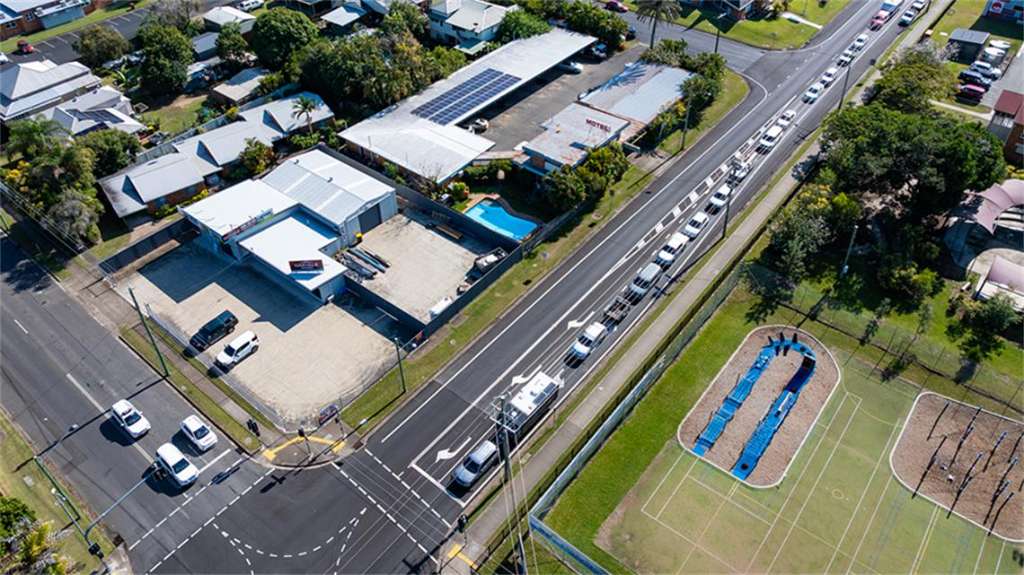
A major Queensland Government infrastructure investment is set to unlock thousands of new homes across the Fraser Coast, including projects in Maryborough.
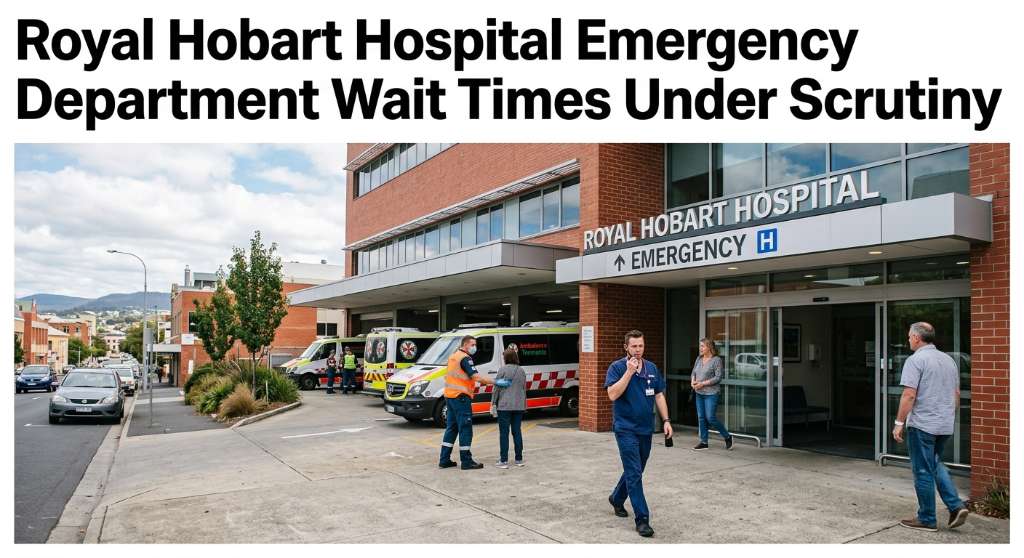
New figures have renewed concerns about emergency department delays at Royal Hobart Hospital, with the health system facing questions over patient waiti...
Cairns Regional Council has unanimously voted to seek $400,000 in Queensland Government funding for a program designed to connect local businesses with the region’s growing film...
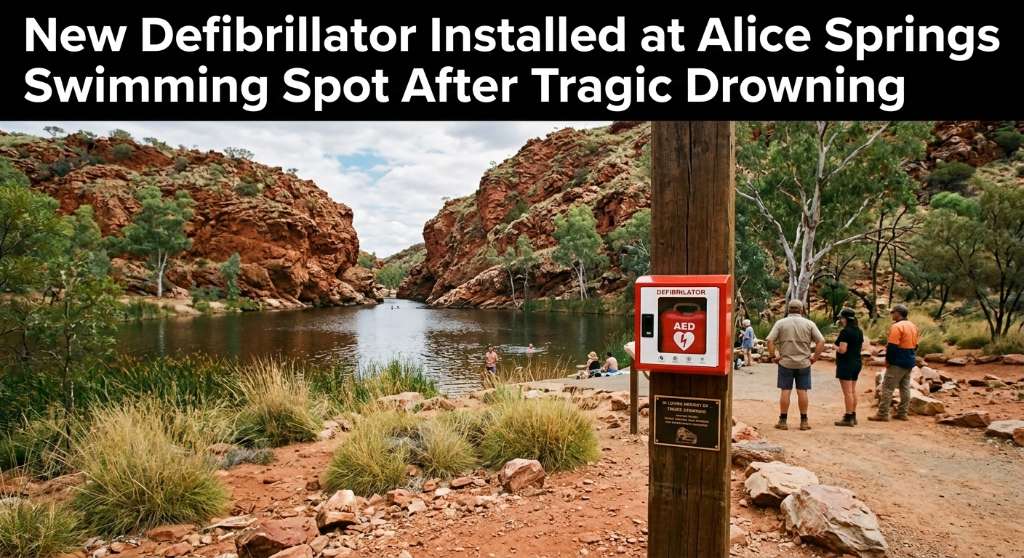
An automated external defibrillator and memorial plaque have been installed at Ellery Creek Big Hole following the death of disability advocate Ellen Fr...
Queensland firefighters spent several hours monitoring a significant grass fire at Mary Kinross Park in Bargara, near Bundaberg, after the blaze broke out on Wednesday evening....