Safety note: Admin approval is an initial review, not a guarantee that every detail is correct. Check important or urgent claims with official sources and report anything inaccurate or unsafe.
Source and credit: Contributor's own report
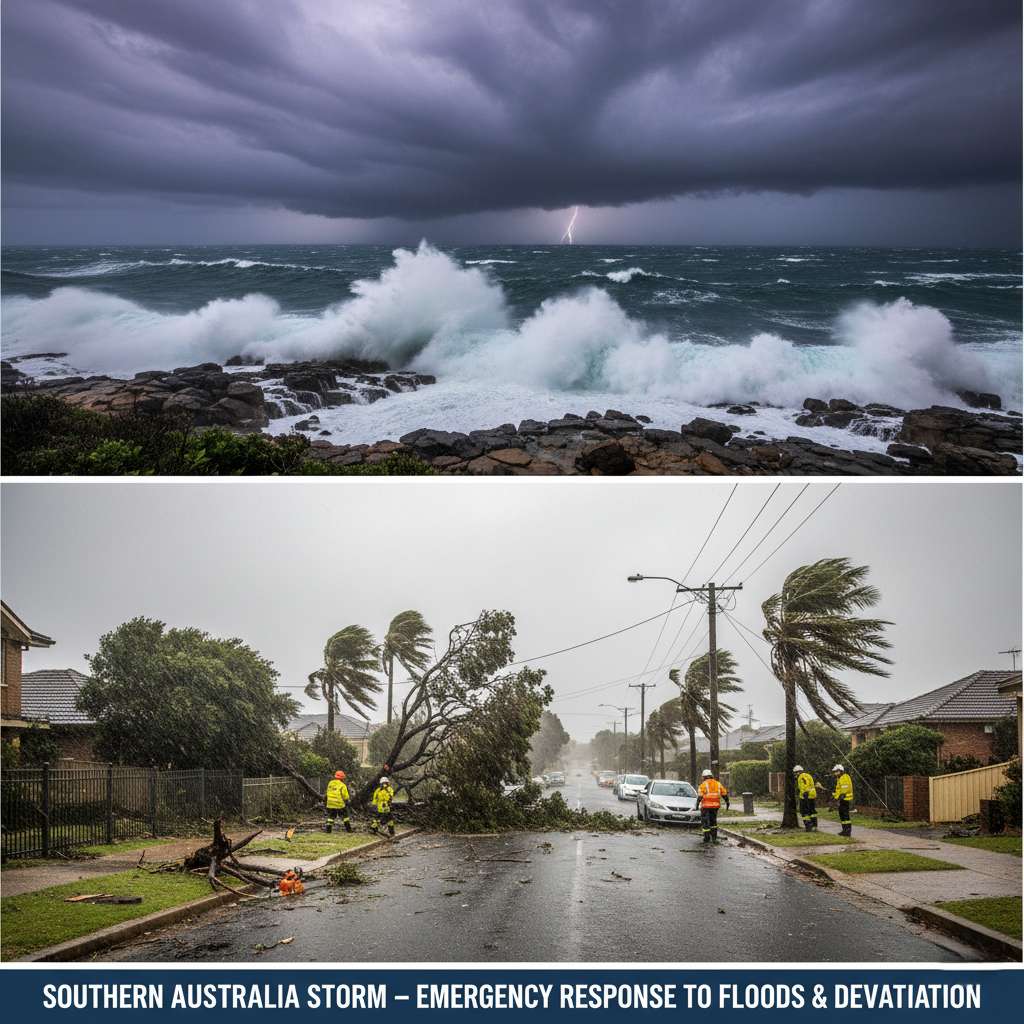
Severe storm clouds gathering over an Australian landscape.
Smart summary
A powerful storm system has swept across South Australia and Victoria, causing widespread disruption including flooding, destructive winds, and significant power outages as emergency services work to manage the impact.
A powerful weather system described by authorities as a "once-in-a-generation" storm has swept across South Australia and Victoria, leaving a trail of destruction that includes widespread power outages, damaged homes, fallen trees, dangerous coastal conditions and major transport disruptions.
The severe weather event first impacted South Australia before moving east into Victoria, bringing destructive winds, heavy rainfall and hazardous conditions across large parts of southern Australia. Emergency services in both states have responded to thousands of calls for assistance as communities deal with the aftermath of one of the strongest storm systems seen in recent years.
In South Australia, strong winds exceeding 100 kilometres per hour were recorded in several locations, causing significant damage to infrastructure and private property. Numerous trees were uprooted, roads were blocked by debris and power lines were brought down, resulting in widespread electricity outages affecting tens of thousands of residents.
Emergency crews worked throughout the night and into the following day to clear roads, secure damaged buildings and restore essential services. Residents were repeatedly warned to avoid unnecessary travel and remain indoors during the peak of the storm.
The weather system then moved into Victoria, where authorities issued multiple severe weather warnings covering metropolitan Melbourne and regional areas. Heavy rain and gale-force winds created dangerous driving conditions, while coastal communities experienced large swells and rough seas.
Several schools, businesses and public facilities reported temporary closures due to safety concerns. Transport services, including some rail and ferry operations, experienced delays and cancellations as operators responded to the extreme conditions.
Meteorologists described the event as unusual due to its intensity, geographic scale and the combination of weather hazards occurring simultaneously. The system generated damaging wind gusts, intense rainfall, coastal erosion risks and elevated flood concerns across multiple regions.
Power companies deployed additional crews to restore electricity to affected households, but warned that repairs could take several days in some areas where infrastructure suffered extensive damage. Utility providers prioritised critical services and vulnerable communities while assessing the full extent of the impact.
Emergency management agencies urged residents to continue monitoring official weather warnings and remain cautious around floodwaters, damaged buildings and fallen power lines. Authorities also reminded the public that hazards can remain even after the worst of the weather has passed.
Insurance companies are expected to receive a large number of claims as homeowners and businesses begin assessing storm-related losses. Industry analysts suggest the event could become one of the more significant weather-related insurance events experienced in southern Australia in recent years.
Experts have noted that severe weather systems affecting southern Australia can become particularly dangerous during winter months when strong cold fronts interact with moisture-rich air masses from surrounding oceans. While individual storms cannot be directly attributed to climate trends alone, researchers continue to study how changing weather patterns may influence the frequency and severity of extreme weather events.
As recovery efforts continue, authorities are encouraging residents to document any property damage, follow safety advice and report ongoing hazards to local emergency services. The full extent of the storm's impact is expected to become clearer in the coming days as assessment teams complete inspections across affected regions.
The event serves as a reminder of the power of Australia's winter weather systems and the importance of preparedness when severe conditions threaten communities across multiple states.
WeatherAcrossConditionsEventPower
A powerful weather system described by authorities as a "once-in-a-generation" storm has swept across South Australia and Victoria, leaving a trail of destruction that includes widespread power outages, damaged homes, fallen trees, dangerous coastal conditions and major transport disruptions.
The severe weather event first impacted South Australia before moving east into Victoria, bringing destructive winds, heavy rainfall and hazardous conditions across large parts of southern Australia. Emergency services in both states have responded to thousands of calls for assistance as communities deal with the aftermath of one of the strongest storm systems seen in recent years.
In South Australia, strong winds exceeding 100 kilometres per hour were recorded in several locations, causing significant damage to infrastructure and private property. Numerous trees were uprooted, roads were blocked by debris and power lines were brought down, resulting in widespread electricity outages affecting tens of thousands of residents.
Emergency crews worked throughout the night and into the following day to clear roads, secure damaged buildings and restore essential services. Residents were repeatedly warned to avoid unnecessary travel and remain indoors during the peak of the storm.
The weather system then moved into Victoria, where authorities issued multiple severe weather warnings covering metropolitan Melbourne and regional areas. Heavy rain and gale-force winds created dangerous driving conditions, while coastal communities experienced large swells and rough seas.
Several schools, businesses and public facilities reported temporary closures due to safety concerns. Transport services, including some rail and ferry operations, experienced delays and cancellations as operators responded to the extreme conditions.
Meteorologists described the event as unusual due to its intensity, geographic scale and the combination of weather hazards occurring simultaneously. The system generated damaging wind gusts, intense rainfall, coastal erosion risks and elevated flood concerns across multiple regions.
Power companies deployed additional crews to restore electricity to affected households, but warned that repairs could take several days in some areas where infrastructure suffered extensive damage. Utility providers prioritised critical services and vulnerable communities while assessing the full extent of the impact.
Emergency management agencies urged residents to continue monitoring official weather warnings and remain cautious around floodwaters, damaged buildings and fallen power lines. Authorities also reminded the public that hazards can remain even after the worst of the weather has passed.
Insurance companies are expected to receive a large number of claims as homeowners and businesses begin assessing storm-related losses. Industry analysts suggest the event could become one of the more significant weather-related insurance events experienced in southern Australia in recent years.
Experts have noted that severe weather systems affecting southern Australia can become particularly dangerous during winter months when strong cold fronts interact with moisture-rich air masses from surrounding oceans. While individual storms cannot be directly attributed to climate trends alone, researchers continue to study how changing weather patterns may influence the frequency and severity of extreme weather events.
As recovery efforts continue, authorities are encouraging residents to document any property damage, follow safety advice and report ongoing hazards to local emergency services. The full extent of the storm's impact is expected to become clearer in the coming days as assessment teams complete inspections across affected regions.
The event serves as a reminder of the power of Australia's winter weather systems and the importance of preparedness when severe conditions threaten communities across multiple states.
Queensland firefighters spent several hours monitoring a significant grass fire at Mary Kinross Park in Bargara, near Bundaberg, after the blaze broke out on Wednesday evening....
Paramedics responding to an emergency in Alice Springs were forced to use a stretcher as a barricade after an armed and allegedly intoxicated group beca...
Adelaide South Australia · Crime News · 27 Aug 2026
South Australia Police are investigating an attempted robbery involving a cyclist in Klemzig. The incident occurred yesterday, and police have appealed for information that coul...
Adelaide South Australia · Crime News · 27 Aug 2026
South Australia Police have arrested a man at Brahma Lodge, in Adelaide’s northern suburbs, following an investigation that has resulted in serious firearms charges. Police say...
Adelaide South Australia · Crime News · 27 Aug 2026
Two historic bronze busts have been stolen from North Terrace in Adelaide’s CBD, prompting a police investigation and renewed concern about metal theft across South Australia. T...
Adelaide South Australia · Sports News · 29 Jul 2026
Adelaide United has announced the extension of its partnership with Mega Rewards, confirming the company will continue as the club's official front-of-shirt partner for the 2026...
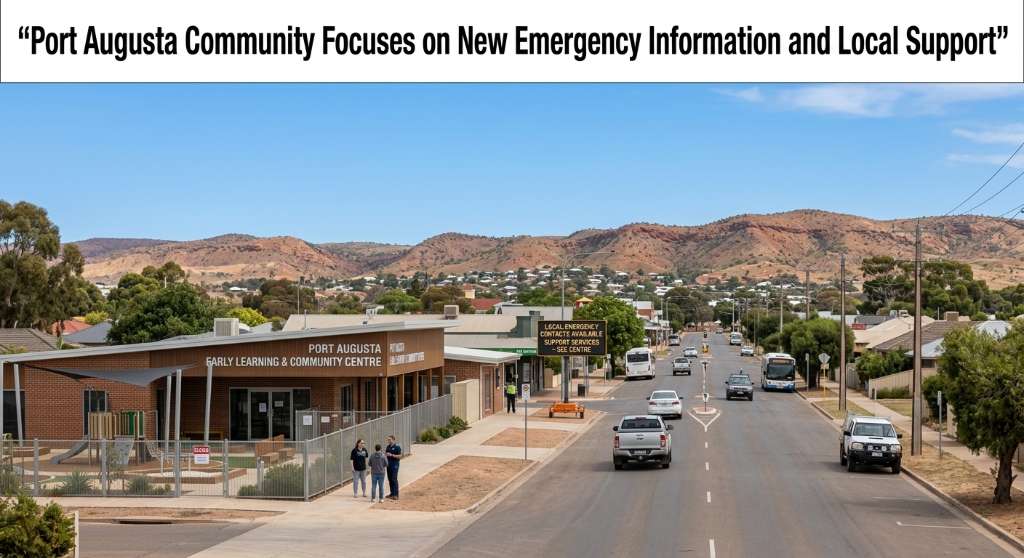
New community information initiatives are helping residents access emergency warnings and local support as Port Augusta and the wider region prepare for...
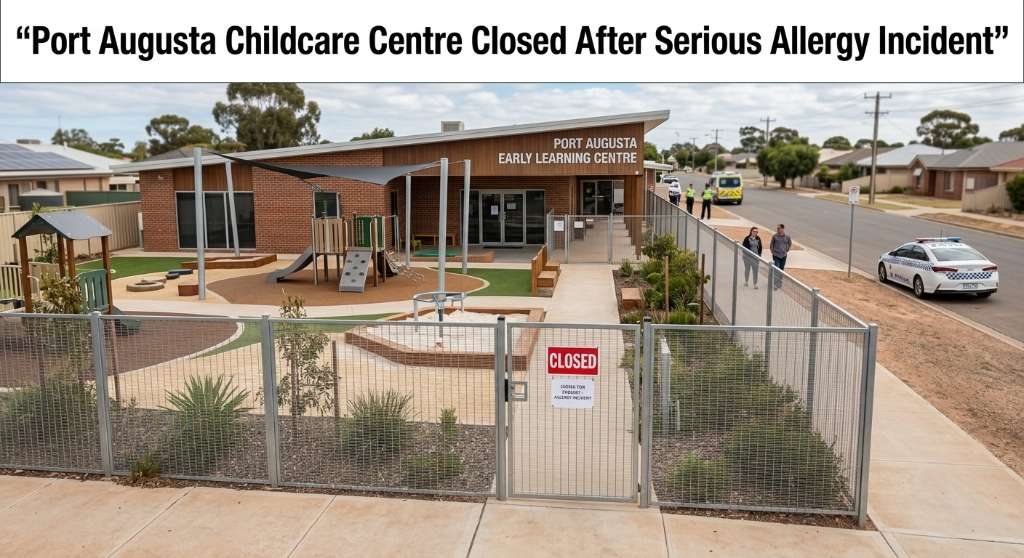
An Edge Early Learning centre in Port Augusta has been ordered to close for two weeks after a child with allergies was hospitalised after being given fo...
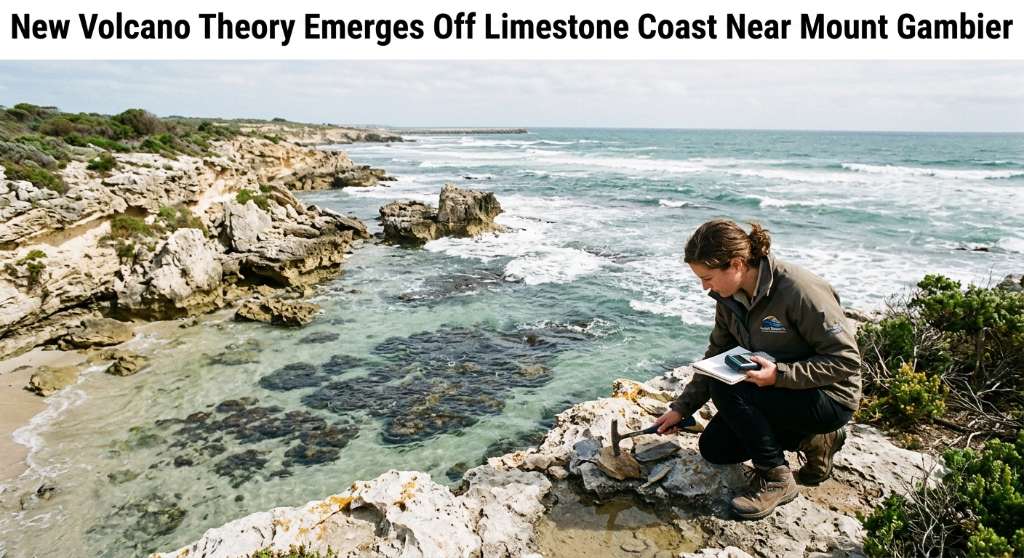
A 44-year-old man has been jailed after police found suspected methamphetamine, GHB and more than $40,000 in cash before he travelled towards Mount Gamb...
Cairns Regional Council has unanimously voted to seek $400,000 in Queensland Government funding for a program designed to connect local businesses with the region’s growing film...
An automated external defibrillator and memorial plaque have been installed at Ellery Creek Big Hole following the death of disability advocate Ellen Fr...
Queensland firefighters spent several hours monitoring a significant grass fire at Mary Kinross Park in Bargara, near Bundaberg, after the blaze broke out on Wednesday evening....