RBA Warns Australia’s Inflation Outlook Has Worsened, Raising Prospect of Interest Rate Hike
By Chloe · Published 21 Oct 2026 · Updated 21 Oct 2026
Sydney, NSW · New South Wales News
Safety note: Admin approval is an initial review, not a guarantee that every detail is correct. Check important or urgent claims with official sources and report anything inaccurate or unsafe.
Source and credit: Contributor's own report
RBA Warns Australia’s Inflation Outlook Has Worsened, Raising Prospect of Interest Rate Hike - Sydney, NSW
Smart summary
Reserve Bank deputy governor Andrew Hauser says inflation is proving difficult to control, increasing concerns that Australians could face another interest rate rise in November.
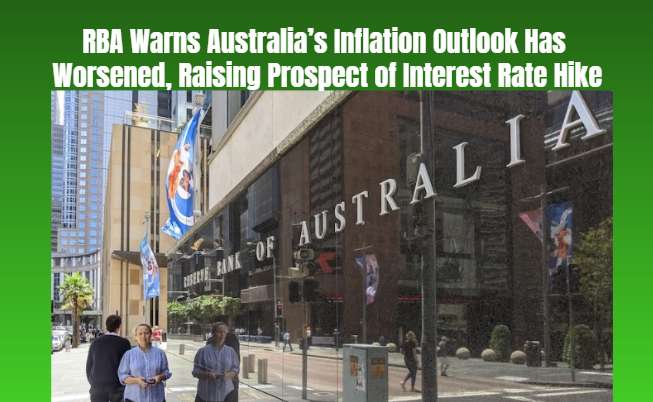
Australia’s economic outlook has come under renewed pressure after Reserve Bank of Australia (RBA) deputy governor Andrew Hauser warned that the country’s inflation outlook had become significantly worse than previously forecast. His comments have increased attention on the possibility of another interest rate rise when the central bank makes its next monetary policy decision in early November.
Speaking at an investment conference in Sydney, Hauser said there were growing signs that some businesses and members of the public were beginning to expect inflation to remain above the Reserve Bank’s target for an extended period. He warned that such expectations could make it harder for the central bank to bring inflation under control.
The RBA aims to keep headline inflation between 2 and 3 per cent on average over time. However, the inflation rate stood at 4 per cent in the August consumer price figures discussed in the report. When inflation remains elevated, households can experience continuing increases in the cost of groceries, transport, housing-related expenses and other everyday necessities.
Hauser expressed concern that some businesses might begin treating inflation of around 3 to 3.5 per cent as normal. If companies expect prices to keep rising, they may increase their own prices or adjust wages and contracts accordingly. That can make inflation more persistent and create additional challenges for policymakers.
Financial markets have consequently increased their expectations of another interest rate rise in November. Market pricing cited in the report put the probability of a rate increase at approximately 42 per cent. That figure represents market expectations, however, and does not mean a rate rise has been confirmed.
Higher interest rates can make borrowing more expensive for households and businesses. Australians with variable-rate home loans could face increased repayments if lenders pass on a further rise. Businesses may also reconsider expansion plans, investment and hiring when financing becomes more costly. Renters and consumers could feel indirect effects if higher business expenses are passed on through prices.
The RBA faces a difficult balancing act. Keeping interest rates higher can help moderate demand and reduce inflationary pressure, but it can also put additional strain on households already dealing with the cost of living. Hauser acknowledged that these decisions involve short-term economic pain, while arguing that failing to control inflation could create more serious problems later.
Australia’s labour market is another consideration. The unemployment rate reportedly rose to 4.7 per cent in September, a weaker result than policymakers had anticipated. Hauser said employment figures needed to be assessed carefully, while acknowledging that some easing in the economy was necessary.
The Reserve Bank’s next scheduled rate decision is due on 3 November 2026, when it is also expected to release updated economic forecasts. Until that announcement, households and businesses will be watching inflation data and statements from central bank officials for further clues.
For Australians, the central issue is whether inflation begins moving sustainably towards the RBA’s target without placing excessive pressure on jobs, mortgage holders and household spending. No November rate increase has been confirmed, and the final decision will depend on the available economic evidence.
InflationRateBankBusinessesCent
Australia’s economic outlook has come under renewed pressure after Reserve Bank of Australia (RBA) deputy governor Andrew Hauser warned that the country’s inflation outlook had become significantly worse than previously forecast. His comments have increased attention on the possibility of another interest rate rise when the central bank makes its next monetary policy decision in early November.
Speaking at an investment conference in Sydney, Hauser said there were growing signs that some businesses and members of the public were beginning to expect inflation to remain above the Reserve Bank’s target for an extended period. He warned that such expectations could make it harder for the central bank to bring inflation under control.
The RBA aims to keep headline inflation between 2 and 3 per cent on average over time. However, the inflation rate stood at 4 per cent in the August consumer price figures discussed in the report. When inflation remains elevated, households can experience continuing increases in the cost of groceries, transport, housing-related expenses and other everyday necessities.
Hauser expressed concern that some businesses might begin treating inflation of around 3 to 3.5 per cent as normal. If companies expect prices to keep rising, they may increase their own prices or adjust wages and contracts accordingly. That can make inflation more persistent and create additional challenges for policymakers.
Financial markets have consequently increased their expectations of another interest rate rise in November. Market pricing cited in the report put the probability of a rate increase at approximately 42 per cent. That figure represents market expectations, however, and does not mean a rate rise has been confirmed.
Higher interest rates can make borrowing more expensive for households and businesses. Australians with variable-rate home loans could face increased repayments if lenders pass on a further rise. Businesses may also reconsider expansion plans, investment and hiring when financing becomes more costly. Renters and consumers could feel indirect effects if higher business expenses are passed on through prices.
The RBA faces a difficult balancing act. Keeping interest rates higher can help moderate demand and reduce inflationary pressure, but it can also put additional strain on households already dealing with the cost of living. Hauser acknowledged that these decisions involve short-term economic pain, while arguing that failing to control inflation could create more serious problems later.
Australia’s labour market is another consideration. The unemployment rate reportedly rose to 4.7 per cent in September, a weaker result than policymakers had anticipated. Hauser said employment figures needed to be assessed carefully, while acknowledging that some easing in the economy was necessary.
The Reserve Bank’s next scheduled rate decision is due on 3 November 2026, when it is also expected to release updated economic forecasts. Until that announcement, households and businesses will be watching inflation data and statements from central bank officials for further clues.
For Australians, the central issue is whether inflation begins moving sustainably towards the RBA’s target without placing excessive pressure on jobs, mortgage holders and household spending. No November rate increase has been confirmed, and the final decision will depend on the available economic evidence.
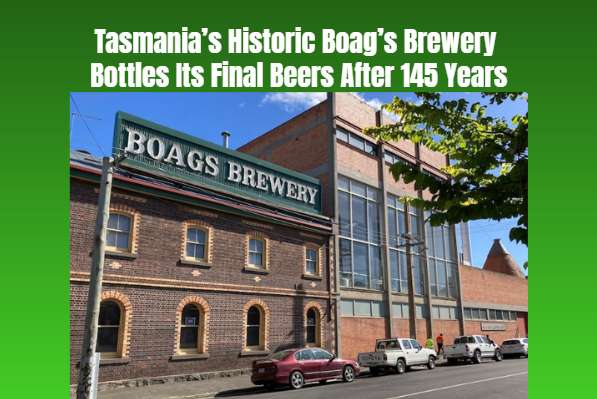
The final bottles have come off the production line in Launceston, marking the end of local production at one of Tasmania’s best-known breweries. The cl...
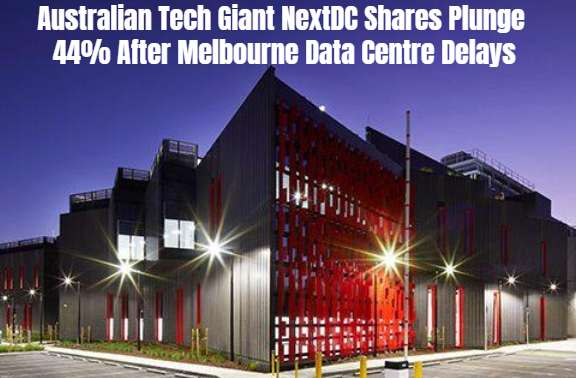
Australian data centre operator Next DC has suffered a major share-price collapse after electricity network upgrade delays forced the company to cut its...
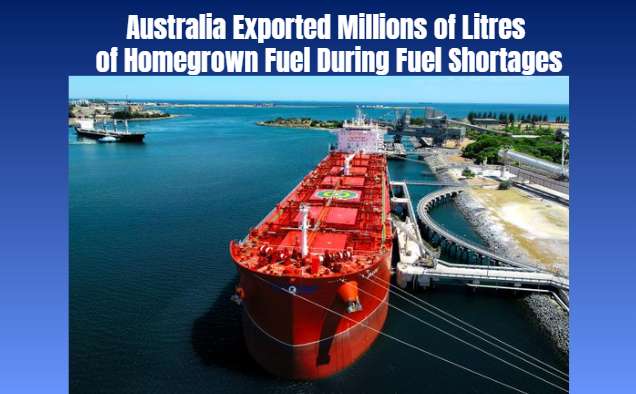
Australian biofuel producers are urging the federal government to require fuel companies to purchase more locally produced ethanol and biodiesel, after...
National Australia Bank announces plans to reduce its workforce by approximately 2,500 positions by mid-2027, citing rising competition, operating costs...
A community-based storytelling initiative in Mount Druitt is using culture, stories and reading activities to help children strengthen their literacy sk...
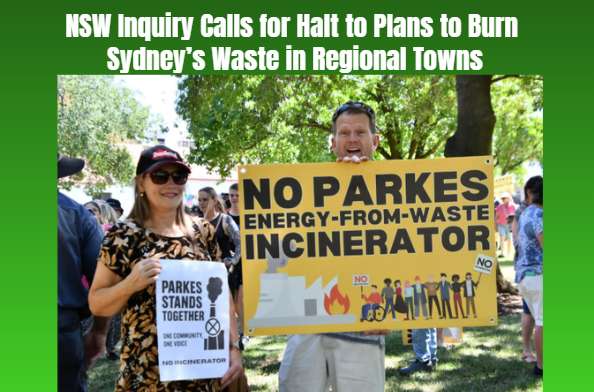
A New South Wales parliamentary inquiry has recommended stopping two proposed waste-to-energy projects near Parkes and Goulburn, citing community opposi...
Regional aged-care providers warn that changes to migration pathways could make it harder to recruit and retain workers, putting additional pressure on...
A community-based storytelling initiative in Mount Druitt is using culture, stories and reading activities to help children strengthen their literacy sk...
Western Australian police are investigating a suspicious fire at a high-value Perth property after a threatening message was reportedly found at the scene.
The final bottles have come off the production line in Launceston, marking the end of local production at one of Tasmania’s best-known breweries. The cl...
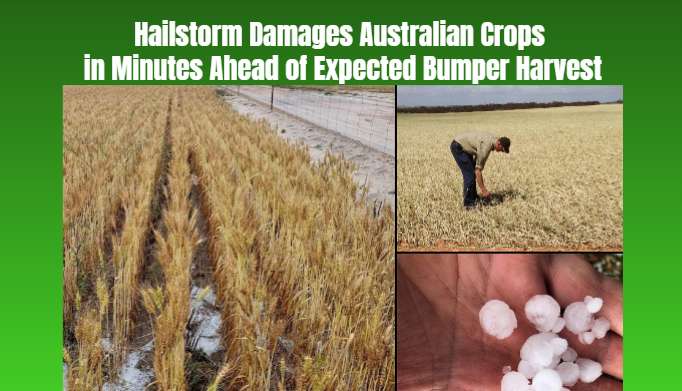
Sudden hail has damaged crops in parts of Australia just as farmers prepare for an important harvest season, raising concerns about crop quality and pot...