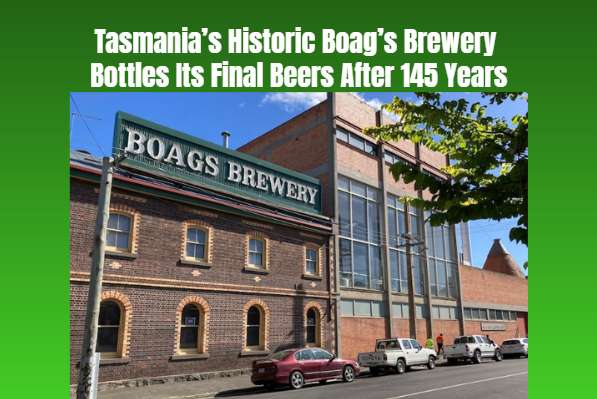
Tasmania’s Historic Boag’s Brewery Bottles Its Final Beers After 145 Years
By Chloe · Published 21 Oct 2026 · Updated 21 Oct 2026
Launceston, TAS · Tasmania News
Safety note: Admin approval is an initial review, not a guarantee that every detail is correct. Check important or urgent claims with official sources and report anything inaccurate or unsafe.
Source and credit: Contributor's own report
Tasmania’s Historic Boag’s Brewery Bottles Its Final Beers After 145 Years - Launceston, TAS
Smart summary
The final bottles have come off the production line in Launceston, marking the end of local production at one of Tasmania’s best-known breweries. The closure will affect 42 local jobs.
A significant chapter in Tasmania’s industrial history has come to an end, with the final bottles of James Boag’s beer packaged at the company’s historic Launceston brewery on 21 October 2026. The milestone marks the end of 145 years of local production at a site that has become closely associated with the city’s identity, tourism and brewing heritage.
The brewery’s parent company, Lion Australia, announced in June that it would end production in Tasmania and move the remaining operations to mainland facilities. The company cited rising operating costs and a long-term decline in beer sales across the national market. The brewery had reportedly been operating at around one-fifth of its production capacity.
The final packaging day was an emotional occasion for workers who had spent years building their careers at the site. Brewer Adrian Hinds, who had worked at Boag’s for 22 years, described the occasion as difficult, reflecting the strong connection employees had developed with the brewery and its traditions.
Although the final bottles were packaged on Wednesday, the last brewing day had taken place in September. The brewery is scheduled to close its doors on 6 November, with 42 local jobs affected by the decision. Decommissioning the equipment is expected to take approximately another year.
Founded in Launceston in 1881, the brewery began as the Esk Brewery before becoming associated with James Boag and his son. Over generations, the business developed into one of Tasmania’s best-known beverage brands. Its advertising frequently highlighted Tasmanian water and the brand’s connection to the island.
The closure raises concerns about the wider economic impact on Launceston. The brewery has been a destination for visitors interested in Tasmania’s food and drink industry, while nearby pubs and hospitality businesses have benefited from its longstanding local reputation.
However, the brand itself will not disappear. Boag’s beer will continue to be produced at breweries in Victoria, New South Wales and Queensland. The company has indicated that production methods and water mineral characteristics can be managed to help maintain the familiar flavour. Whether loyal customers notice a difference remains to be seen.
The brewery’s visitor attraction, the Boag’s Brewhouse, including its taphouse and museum, is expected to continue operating beyond the production closure. This could help preserve part of the site’s tourism role even after manufacturing ends.
The future of the historic property is also under discussion. The Tasmanian government has expressed interest in purchasing the large central Launceston site. Proposals for its future use include commercial spaces, hospitality facilities, offices, public areas and a potential boutique hotel.
Any redevelopment could create new investment opportunities, although it would not automatically replace the manufacturing jobs lost through the brewery’s closure.
For Launceston, the final bottles represent more than a business decision. They mark the end of a long-standing local manufacturing tradition and the beginning of a new chapter for the brewery site. The challenge for the city will be to protect its heritage while finding new uses that support local employment, tourism and economic growth.
BreweryBoagFinalLauncestonProduction
A significant chapter in Tasmania’s industrial history has come to an end, with the final bottles of James Boag’s beer packaged at the company’s historic Launceston brewery on 21 October 2026. The milestone marks the end of 145 years of local production at a site that has become closely associated with the city’s identity, tourism and brewing heritage.
The brewery’s parent company, Lion Australia, announced in June that it would end production in Tasmania and move the remaining operations to mainland facilities. The company cited rising operating costs and a long-term decline in beer sales across the national market. The brewery had reportedly been operating at around one-fifth of its production capacity.
The final packaging day was an emotional occasion for workers who had spent years building their careers at the site. Brewer Adrian Hinds, who had worked at Boag’s for 22 years, described the occasion as difficult, reflecting the strong connection employees had developed with the brewery and its traditions.
Although the final bottles were packaged on Wednesday, the last brewing day had taken place in September. The brewery is scheduled to close its doors on 6 November, with 42 local jobs affected by the decision. Decommissioning the equipment is expected to take approximately another year.
Founded in Launceston in 1881, the brewery began as the Esk Brewery before becoming associated with James Boag and his son. Over generations, the business developed into one of Tasmania’s best-known beverage brands. Its advertising frequently highlighted Tasmanian water and the brand’s connection to the island.
The closure raises concerns about the wider economic impact on Launceston. The brewery has been a destination for visitors interested in Tasmania’s food and drink industry, while nearby pubs and hospitality businesses have benefited from its longstanding local reputation.
However, the brand itself will not disappear. Boag’s beer will continue to be produced at breweries in Victoria, New South Wales and Queensland. The company has indicated that production methods and water mineral characteristics can be managed to help maintain the familiar flavour. Whether loyal customers notice a difference remains to be seen.
The brewery’s visitor attraction, the Boag’s Brewhouse, including its taphouse and museum, is expected to continue operating beyond the production closure. This could help preserve part of the site’s tourism role even after manufacturing ends.
The future of the historic property is also under discussion. The Tasmanian government has expressed interest in purchasing the large central Launceston site. Proposals for its future use include commercial spaces, hospitality facilities, offices, public areas and a potential boutique hotel.
Any redevelopment could create new investment opportunities, although it would not automatically replace the manufacturing jobs lost through the brewery’s closure.
For Launceston, the final bottles represent more than a business decision. They mark the end of a long-standing local manufacturing tradition and the beginning of a new chapter for the brewery site. The challenge for the city will be to protect its heritage while finding new uses that support local employment, tourism and economic growth.
Australian data centre operator Next DC has suffered a major share-price collapse after electricity network upgrade delays forced the company to cut its...
Reserve Bank deputy governor Andrew Hauser says inflation is proving difficult to control, increasing concerns that Australians could face another inter...
Australian biofuel producers are urging the federal government to require fuel companies to purchase more locally produced ethanol and biodiesel, after...
National Australia Bank announces plans to reduce its workforce by approximately 2,500 positions by mid-2027, citing rising competition, operating costs...
Ukraine has urged an international Antarctic conservation commission to press for the immediate release of scientist Leonid Pshenichnov, whose health is...
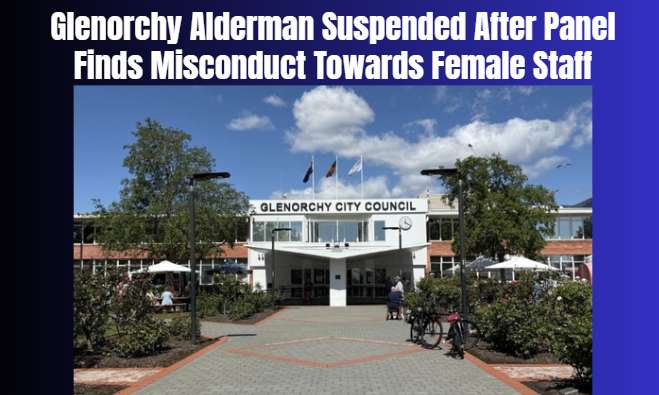
A Tasmanian local-government conduct panel found that long-serving Glenorchy councillor Peter Ridler breached the council’s code of conduct through inap...
Two people were seriously injured when a four-wheel-drive vehicle crashed through the front of a café in Shearwater, near Devonport. Police are investig...
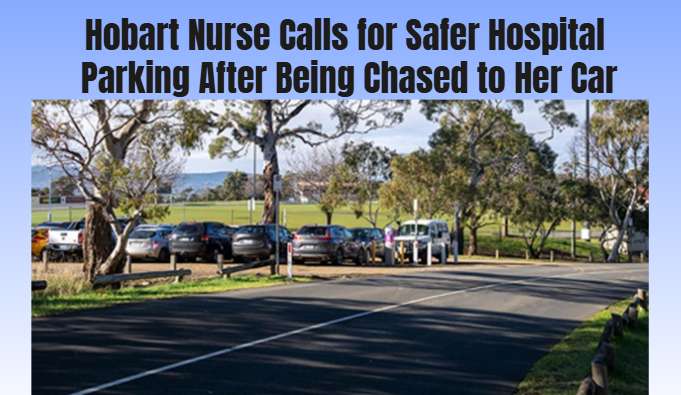
A Royal Hobart Hospital nurse says she was left shaken after a group of young men chased and yelled at her as she walked to her car after a late shift....
A community-based storytelling initiative in Mount Druitt is using culture, stories and reading activities to help children strengthen their literacy sk...
Western Australian police are investigating a suspicious fire at a high-value Perth property after a threatening message was reportedly found at the scene.
Sudden hail has damaged crops in parts of Australia just as farmers prepare for an important harvest season, raising concerns about crop quality and pot...
Australian data centre operator Next DC has suffered a major share-price collapse after electricity network upgrade delays forced the company to cut its...