Security Briefing Leaves NSW Parliament Members Concerned About Their Safety
By Chloe · Published 23 Oct 2026 · Updated 23 Oct 2026
Sydney, NSW · New South Wales News
Safety note: Admin approval is an initial review, not a guarantee that every detail is correct. Check important or urgent claims with official sources and report anything inaccurate or unsafe.
Source and credit: Contributor's own report
Smart summary
Several New South Wales MPs say a parliamentary security briefing left them anxious about how quickly security staff could respond to an incident, prompting renewed calls for stronger protective measures.
A security briefing intended to reassure members of the New South Wales Parliament has instead heightened concerns among some politicians about their personal safety and the effectiveness of existing security arrangements.
The briefing followed a series of incidents, including an attack on federal independent MP Helen Haines in regional Victoria and a recent disruption inside the NSW Parliament chamber. Several state MPs said they were dissatisfied with the explanations provided by police and parliamentary security officials.
Liberal MP Alister Henskens said the meeting left a number of attendees deeply anxious. He told the ABC that some MPs were reportedly in tears because they felt the answers to their concerns were inadequate. Other politicians, speaking anonymously, described the session as a box-ticking exercise and said important questions about the response to security incidents had not been properly addressed.
One of the main concerns involved an incident the previous week, when an anti-coal protester jumped over the public gallery barrier and entered the parliamentary chamber. The demonstrator shouted at the Premier before being restrained by MPs and the deputy serjeant-at-arms until special constables arrived.
The incident raised questions about how quickly security personnel could respond when someone entered a restricted area. MPs also expressed concern about confusion over which security staff were authorised to enter the chamber and how officials monitored events during disruptions.
During the briefing, parliamentarians were reportedly told that the interruption of the chamber's audio-visual transmission had made it more difficult for security personnel to see exactly what was happening. Some MPs questioned whether this explanation adequately addressed the wider issues raised by the incident.
The concerns extend beyond the parliamentary chamber. MPs also raised questions about an evacuation after a fire alarm and how people were subsequently able to re-enter the building. They argued that security procedures needed to be consistent during both emergencies and routine access to Parliament House.
NSW Parliament is already undergoing a major security upgrade, including additional checkpoints intended to control who enters and leaves the building. Visitors are required to pass through metal detectors and have their bags screened unless they hold an appropriate security pass. Additional special constables have also been assigned following the recent security breach.
The debate has intensified amid reports of threats against elected representatives. NSW Premier Chris Minns said female MPs were repeatedly targeted by abusive behaviour, both in person and online. Opposition Leader Kellie Sloane has also spoken about how threats have affected her ability to publicise community appearances.
Some politicians have said they now avoid sharing their locations in advance or take additional precautions when attending public events. While police have encouraged MPs to report threats and remain aware of their surroundings, several parliamentarians argue that practical advice must be accompanied by effective security systems.
Police Commissioner Mal Lanyon said authorities take threats seriously and that local police commanders can provide additional protection when necessary. Parliament's presiding officer, Greg Piper, also said the safety of MPs remained a priority and pointed to the additional security measures already being introduced.
The controversy highlights the challenge of keeping parliamentary institutions accessible to the public while protecting elected representatives, employees and visitors. MPs must regularly meet constituents and attend community events, making complete isolation neither practical nor desirable.
The immediate focus is now on improving response procedures, clarifying security responsibilities and ensuring that concerns raised by parliamentarians lead to meaningful action. The latest briefing has increased pressure on parliamentary authorities to demonstrate that existing protections are adequate and that lessons from recent incidents are being applied.
SecurityWereParliamentAdditionalAlso
A security briefing intended to reassure members of the New South Wales Parliament has instead heightened concerns among some politicians about their personal safety and the effectiveness of existing security arrangements.
The briefing followed a series of incidents, including an attack on federal independent MP Helen Haines in regional Victoria and a recent disruption inside the NSW Parliament chamber. Several state MPs said they were dissatisfied with the explanations provided by police and parliamentary security officials.
Liberal MP Alister Henskens said the meeting left a number of attendees deeply anxious. He told the ABC that some MPs were reportedly in tears because they felt the answers to their concerns were inadequate. Other politicians, speaking anonymously, described the session as a box-ticking exercise and said important questions about the response to security incidents had not been properly addressed.
One of the main concerns involved an incident the previous week, when an anti-coal protester jumped over the public gallery barrier and entered the parliamentary chamber. The demonstrator shouted at the Premier before being restrained by MPs and the deputy serjeant-at-arms until special constables arrived.
The incident raised questions about how quickly security personnel could respond when someone entered a restricted area. MPs also expressed concern about confusion over which security staff were authorised to enter the chamber and how officials monitored events during disruptions.
During the briefing, parliamentarians were reportedly told that the interruption of the chamber's audio-visual transmission had made it more difficult for security personnel to see exactly what was happening. Some MPs questioned whether this explanation adequately addressed the wider issues raised by the incident.
The concerns extend beyond the parliamentary chamber. MPs also raised questions about an evacuation after a fire alarm and how people were subsequently able to re-enter the building. They argued that security procedures needed to be consistent during both emergencies and routine access to Parliament House.
NSW Parliament is already undergoing a major security upgrade, including additional checkpoints intended to control who enters and leaves the building. Visitors are required to pass through metal detectors and have their bags screened unless they hold an appropriate security pass. Additional special constables have also been assigned following the recent security breach.
The debate has intensified amid reports of threats against elected representatives. NSW Premier Chris Minns said female MPs were repeatedly targeted by abusive behaviour, both in person and online. Opposition Leader Kellie Sloane has also spoken about how threats have affected her ability to publicise community appearances.
Some politicians have said they now avoid sharing their locations in advance or take additional precautions when attending public events. While police have encouraged MPs to report threats and remain aware of their surroundings, several parliamentarians argue that practical advice must be accompanied by effective security systems.
Police Commissioner Mal Lanyon said authorities take threats seriously and that local police commanders can provide additional protection when necessary. Parliament's presiding officer, Greg Piper, also said the safety of MPs remained a priority and pointed to the additional security measures already being introduced.
The controversy highlights the challenge of keeping parliamentary institutions accessible to the public while protecting elected representatives, employees and visitors. MPs must regularly meet constituents and attend community events, making complete isolation neither practical nor desirable.
The immediate focus is now on improving response procedures, clarifying security responsibilities and ensuring that concerns raised by parliamentarians lead to meaningful action. The latest briefing has increased pressure on parliamentary authorities to demonstrate that existing protections are adequate and that lessons from recent incidents are being applied.
The Australian Federal Police says threats and harassment targeting federal politicians and senior public officials have increased sharply, raising fres...
One Nation leader Pauline Hanson has apologised after a controversial political cartoon mocked independent senator Jacqui Lambie’s medical condition, sa...
A New South Wales parliamentary inquiry has recommended stopping two proposed waste-to-energy projects near Parkes and Goulburn, citing community opposi...
Australian Greens leader David Shoebridge says Senator Jordon Steele-John should take personal leave while an independent investigation examines allegat...
The ABC has begun wiping a small number of staff devices after researchers identified malicious online advertisements linked to a spyware campaign targe...
The ASX is maintaining a lower dividend payout and increasing spending on technology as it works to strengthen the reliability of Australia's financial...
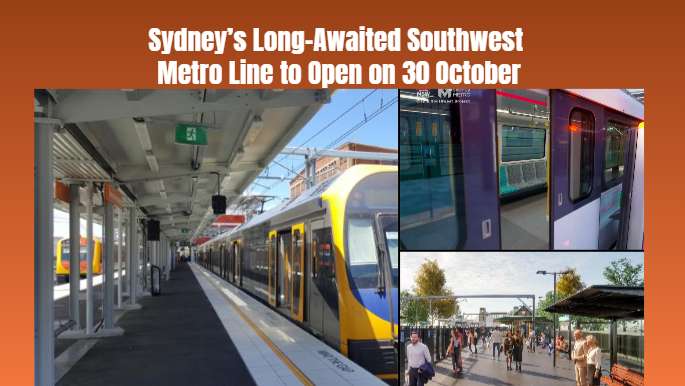
The new driverless metro service will connect Bankstown and Sydney’s south-western suburbs directly with the CBD and the north-west, ending more than tw...
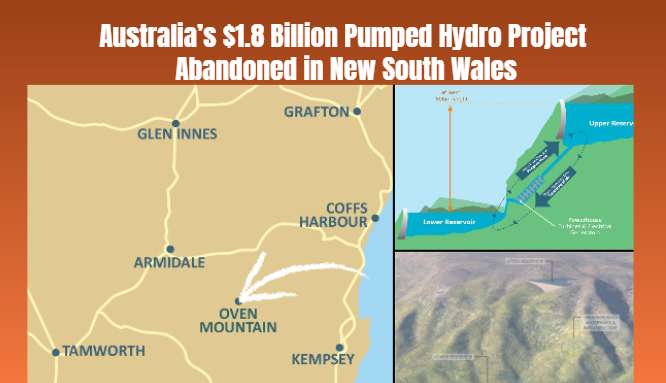
Alinta Energy has withdrawn plans for a major renewable energy storage project, citing financial pressures, construction challenges and transmission-lin...
Two of the three teenagers responsible for the fatal machete attack on 14-year-old Ethan Hoac have received prison sentences of 17 years and 18-and-a-ha...
The ABC has begun wiping a small number of staff devices after researchers identified malicious online advertisements linked to a spyware campaign targe...
Australia's expanding battery storage capacity is reshaping the electricity market, storing renewable energy during the day and supplying power during p...
South Australia's civil and administrative tribunal has upheld a prohibition preventing a disability support worker from working with children and peopl...