Alice Springs Northern Territory · Northern Territory News
Safety note: Admin approval is an initial review, not a guarantee that every detail is correct. Check important or urgent claims with official sources and report anything inaccurate or unsafe.
Source and credit: Contributor's own report
A view of residential housing in an Alice Springs town camp.
Smart summary
Tangentyere Council CEO Walter Shaw has defended the management of Alice Springs town camp housing, citing significant investment in maintenance despite ongoing challenges with overcrowding and infrastructure.
The Chief Executive of Tangentyere Council, Walter Shaw, has issued a formal defence regarding the management of housing within Alice Springs town camps. This response follows a period of heightened public debate concerning the quality of accommodation and the general living conditions experienced by residents in these communities. Town camps have served as a vital component of the social fabric in Alice Springs for decades, providing essential accommodation and support services for Aboriginal families. However, recent discussions involving community advocates, residents, and political representatives have brought issues such as ageing infrastructure, maintenance backlogs, and persistent overcrowding to the forefront of local discourse. Tangentyere Council, which represents and supports a significant number of these town camps, maintains that substantial progress has been achieved despite the complexities of the environment. Mr. Shaw stated that the organisation has directed significant resources toward the maintenance of existing housing stock and the improvement of living conditions. According to the council, these efforts include regular deployments of maintenance teams to address critical issues such as plumbing failures, electrical faults, structural repairs, and general property upkeep. Furthermore, the council has reported that funding has been allocated toward the construction of new housing units in recent years. Despite these efforts, the organisation acknowledges that the task of managing housing across multiple, geographically dispersed locations remains a complex and ongoing challenge. Critics of the current situation have pointed to properties that continue to suffer from significant maintenance issues, arguing that these conditions negatively impact the health, safety, and overall quality of life for residents. The council contends that many of these pressures are not the result of management failures, but are instead symptomatic of broader housing shortages affecting the entire Northern Territory. With demand for accommodation frequently exceeding supply, the resulting overcrowding places immense strain on existing infrastructure. Tangentyere Council has emphasised that meeting the growing needs of the community will require additional investment in social and affordable housing. This debate reflects a wider trend of challenges facing regional and remote communities across Australia, where high construction costs and population growth continue to test the limits of existing infrastructure. Community leaders have stressed that sustainable, long-term solutions will necessitate a collaborative approach involving local organisations, government bodies, and housing providers. The historical significance of town camps remains central to this conversation, as they were originally established to provide Aboriginal families with secure living environments while maintaining vital connections to culture and country. Advocates argue that secure, well-maintained housing is a fundamental requirement for improving educational outcomes, employment prospects, and overall community wellbeing. As the discussion continues, calls for increased government investment in Indigenous housing have intensified. While some residents acknowledge the improvements made to date, others continue to advocate for more rapid responses to maintenance requests and a broader range of housing options. Tangentyere Council has reiterated its commitment to working with stakeholders to address these underlying issues, noting that long-term success depends on sustained investment and stronger partnerships. Further details may be updated as more information becomes available.
The chief executive of Tangentyere Council has defended the management of housing in Alice Springs town camps following criticism about living conditions and concerns regarding the quality of accommodation available to residents. The response comes amid renewed public debate over housing standards in several of Alice Springs’ Aboriginal town camps, where issues including overcrowding, maintenance challenges and ageing infrastructure have been raised by residents, community advocates and political representatives. Town camps have long played a significant role in providing accommodation and support services for Aboriginal families living in and around Alice Springs. Tangentyere Council, which represents and supports many of the town camps, argues that significant progress has been made despite ongoing challenges. Chief Executive Walter Shaw said the organisation has invested heavily in maintaining housing stock and improving living conditions while managing the pressures created by growing demand and limited resources. According to the council, substantial funding has been directed toward repairs, upgrades and the construction of new housing over recent years. Maintenance teams regularly undertake work across the camps, addressing issues such as plumbing, electrical systems, structural repairs and general property upkeep. However, the organisation acknowledges that maintaining housing across multiple locations remains a complex and ongoing task. Critics have argued that some properties continue to experience significant maintenance problems and overcrowding, raising concerns about health, safety and quality of life for residents. Housing shortages in Alice Springs have contributed to these pressures, with demand often exceeding available accommodation. Tangentyere Council maintains that many of the issues facing town camps are linked to broader housing shortages throughout the Northern Territory rather than failures in management. The organisation says additional investment in social and affordable housing is required to meet growing community needs and reduce overcrowding. The debate highlights wider challenges confronting remote and regional communities across Australia, where housing shortages, high construction costs and population growth place increasing pressure on existing infrastructure. Community leaders argue that sustainable long-term solutions require cooperation between local organisations, governments and housing providers. Town camps in Alice Springs were originally established to provide Aboriginal families with secure places to live while maintaining connections to community, culture and country. Over time, they have become an important part of the town’s social fabric, supporting thousands of residents through housing, employment, health and community programs. Advocates stress that housing plays a critical role in improving educational outcomes, employment opportunities and community wellbeing. Secure and well-maintained accommodation is widely recognised as a foundation for addressing broader social and economic challenges. The discussion has also renewed calls for greater government investment in remote and Indigenous housing. Community organisations argue that many existing homes require ongoing upgrades while additional housing stock is needed to accommodate population growth and reduce waiting lists. Residents have expressed a range of views, with some acknowledging improvements made in recent years while others continue to call for faster responses to maintenance requests and additional housing options. Local leaders say continued engagement with residents will remain essential to ensuring future improvements meet community needs. As the conversation continues, Tangentyere Council says it remains committed to improving housing outcomes for town camp residents and working collaboratively with governments and community stakeholders. The organisation believes long-term solutions will require sustained investment, stronger partnerships and a focus on addressing the underlying causes of housing shortages. The debate underscores the importance of housing policy in regional Australia and highlights the ongoing challenge of delivering safe, affordable and culturally appropriate accommodation for Indigenous communities in the Northern Territory.
HousingCommunityCouncilTownCamps
The Chief Executive of Tangentyere Council, Walter Shaw, has issued a formal defence regarding the management of housing within Alice Springs town camps. This response follows a period of heightened public debate concerning the quality of accommodation and the general living conditions experienced by residents in these communities. Town camps have served as a vital component of the social fabric in Alice Springs for decades, providing essential accommodation and support services for Aboriginal families. However, recent discussions involving community advocates, residents, and political representatives have brought issues such as ageing infrastructure, maintenance backlogs, and persistent overcrowding to the forefront of local discourse. Tangentyere Council, which represents and supports a significant number of these town camps, maintains that substantial progress has been achieved despite the complexities of the environment. Mr. Shaw stated that the organisation has directed significant resources toward the maintenance of existing housing stock and the improvement of living conditions. According to the council, these efforts include regular deployments of maintenance teams to address critical issues such as plumbing failures, electrical faults, structural repairs, and general property upkeep. Furthermore, the council has reported that funding has been allocated toward the construction of new housing units in recent years. Despite these efforts, the organisation acknowledges that the task of managing housing across multiple, geographically dispersed locations remains a complex and ongoing challenge. Critics of the current situation have pointed to properties that continue to suffer from significant maintenance issues, arguing that these conditions negatively impact the health, safety, and overall quality of life for residents. The council contends that many of these pressures are not the result of management failures, but are instead symptomatic of broader housing shortages affecting the entire Northern Territory. With demand for accommodation frequently exceeding supply, the resulting overcrowding places immense strain on existing infrastructure. Tangentyere Council has emphasised that meeting the growing needs of the community will require additional investment in social and affordable housing. This debate reflects a wider trend of challenges facing regional and remote communities across Australia, where high construction costs and population growth continue to test the limits of existing infrastructure. Community leaders have stressed that sustainable, long-term solutions will necessitate a collaborative approach involving local organisations, government bodies, and housing providers. The historical significance of town camps remains central to this conversation, as they were originally established to provide Aboriginal families with secure living environments while maintaining vital connections to culture and country. Advocates argue that secure, well-maintained housing is a fundamental requirement for improving educational outcomes, employment prospects, and overall community wellbeing. As the discussion continues, calls for increased government investment in Indigenous housing have intensified. While some residents acknowledge the improvements made to date, others continue to advocate for more rapid responses to maintenance requests and a broader range of housing options. Tangentyere Council has reiterated its commitment to working with stakeholders to address these underlying issues, noting that long-term success depends on sustained investment and stronger partnerships. Further details may be updated as more information becomes available.
The chief executive of Tangentyere Council has defended the management of housing in Alice Springs town camps following criticism about living conditions and concerns regarding the quality of accommodation available to residents. The response comes amid renewed public debate over housing standards in several of Alice Springs’ Aboriginal town camps, where issues including overcrowding, maintenance challenges and ageing infrastructure have been raised by residents, community advocates and political representatives. Town camps have long played a significant role in providing accommodation and support services for Aboriginal families living in and around Alice Springs. Tangentyere Council, which represents and supports many of the town camps, argues that significant progress has been made despite ongoing challenges. Chief Executive Walter Shaw said the organisation has invested heavily in maintaining housing stock and improving living conditions while managing the pressures created by growing demand and limited resources. According to the council, substantial funding has been directed toward repairs, upgrades and the construction of new housing over recent years. Maintenance teams regularly undertake work across the camps, addressing issues such as plumbing, electrical systems, structural repairs and general property upkeep. However, the organisation acknowledges that maintaining housing across multiple locations remains a complex and ongoing task. Critics have argued that some properties continue to experience significant maintenance problems and overcrowding, raising concerns about health, safety and quality of life for residents. Housing shortages in Alice Springs have contributed to these pressures, with demand often exceeding available accommodation. Tangentyere Council maintains that many of the issues facing town camps are linked to broader housing shortages throughout the Northern Territory rather than failures in management. The organisation says additional investment in social and affordable housing is required to meet growing community needs and reduce overcrowding. The debate highlights wider challenges confronting remote and regional communities across Australia, where housing shortages, high construction costs and population growth place increasing pressure on existing infrastructure. Community leaders argue that sustainable long-term solutions require cooperation between local organisations, governments and housing providers. Town camps in Alice Springs were originally established to provide Aboriginal families with secure places to live while maintaining connections to community, culture and country. Over time, they have become an important part of the town’s social fabric, supporting thousands of residents through housing, employment, health and community programs. Advocates stress that housing plays a critical role in improving educational outcomes, employment opportunities and community wellbeing. Secure and well-maintained accommodation is widely recognised as a foundation for addressing broader social and economic challenges. The discussion has also renewed calls for greater government investment in remote and Indigenous housing. Community organisations argue that many existing homes require ongoing upgrades while additional housing stock is needed to accommodate population growth and reduce waiting lists. Residents have expressed a range of views, with some acknowledging improvements made in recent years while others continue to call for faster responses to maintenance requests and additional housing options. Local leaders say continued engagement with residents will remain essential to ensuring future improvements meet community needs. As the conversation continues, Tangentyere Council says it remains committed to improving housing outcomes for town camp residents and working collaboratively with governments and community stakeholders. The organisation believes long-term solutions will require sustained investment, stronger partnerships and a focus on addressing the underlying causes of housing shortages. The debate underscores the importance of housing policy in regional Australia and highlights the ongoing challenge of delivering safe, affordable and culturally appropriate accommodation for Indigenous communities in the Northern Territory.
Darwin Northern Territory · Other News · 01 Sep 2026
A scenic hike through Butterfly Gorge in the Northern Territory turned into a frightening experience when a buffalo charged at two hikers. ABC Darwin reported the story today, 1...
Coffs Harbour New South Wales · Other News · 01 Sep 2026
A Safe Work NSW inspection blitz across the Coffs Harbour region has uncovered dozens of workplace-safety issues in the horticulture industry. The operation followed concerns ab...
A major Queensland Government infrastructure investment is set to unlock thousands of new homes across the Fraser Coast, including projects in Maryborough.
Alice Springs Northern Territory · Crime News · 31 Aug 2026
A 23-year-old man has been arrested after two police officers were allegedly assaulted in Alice Springs. Northern Territory Police said the incident occurred at about 8:30am on...
Northern Territory Police have launched an investigation following the theft of a Toyota Yaris from Traeger Avenue in Alice Springs on Tuesday evening. The incident has prompted...
Police have arrested three people following an alleged attack at a remote Central Australian community, with relatives warning the long-running feud cou...
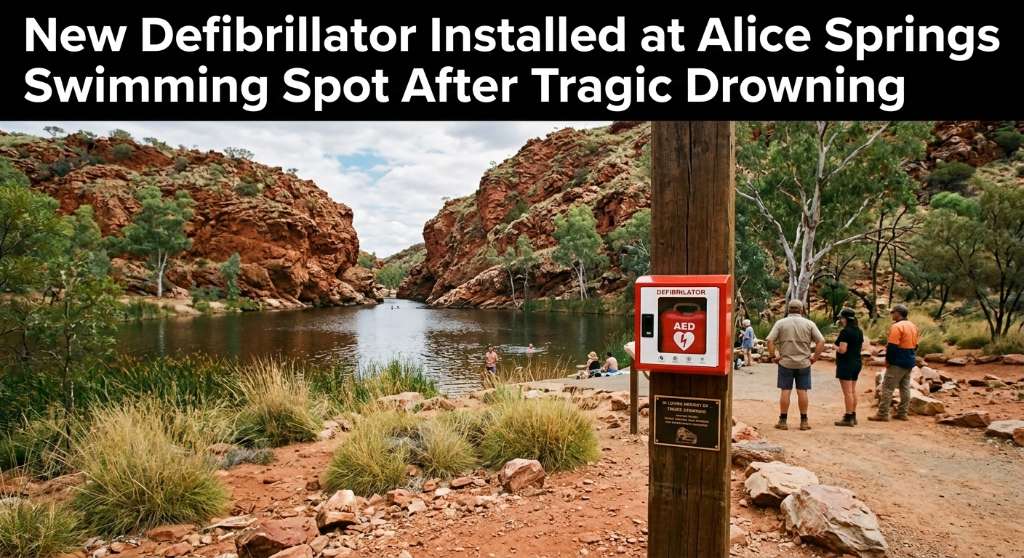
An automated external defibrillator and memorial plaque have been installed at Ellery Creek Big Hole following the death of disability advocate Ellen Fr...
Paramedics responding to an emergency in Alice Springs were forced to use a stretcher as a barricade after an armed and allegedly intoxicated group beca...
Cairns Regional Council has unanimously voted to seek $400,000 in Queensland Government funding for a program designed to connect local businesses with the region’s growing film...
An automated external defibrillator and memorial plaque have been installed at Ellery Creek Big Hole following the death of disability advocate Ellen Fr...
Queensland firefighters spent several hours monitoring a significant grass fire at Mary Kinross Park in Bargara, near Bundaberg, after the blaze broke out on Wednesday evening....