Safety note: Admin approval is an initial review, not a guarantee that every detail is correct. Check important or urgent claims with official sources and report anything inaccurate or unsafe.
Source and credit: Contributor's own report
Two additional suspected H5 bird flu cases detected in South Australia as surveillance increases - Adelaide, SA
Smart summary
South Australian authorities are investigating two more suspected cases of H5 avian influenza in wild seabirds, including a possible first detection near Adelaide’s metropolitan coastline.
South Australian authorities are investigating two additional suspected cases of H5 bird flu after testing identified possible infections in wild seabirds. The detections have increased concerns about the spread of highly pathogenic avian influenza through migratory bird populations across Australia.
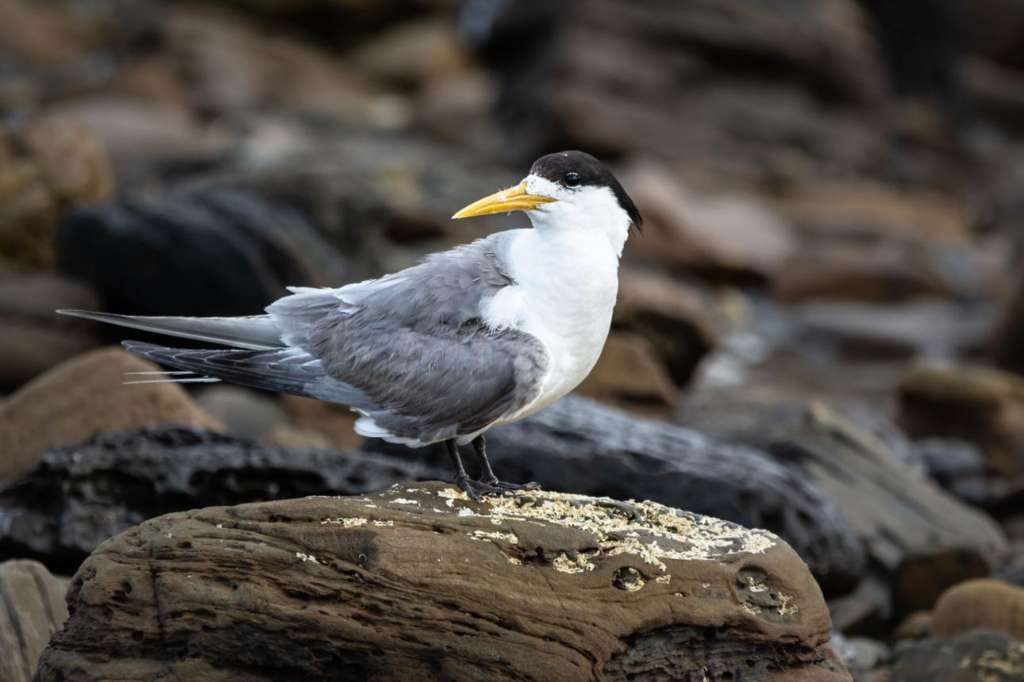
The suspected cases involve greater crested terns, with one bird found near Robe on South Australia’s Limestone Coast and another discovered near the Semaphore boat ramp, north-west of Adelaide. If confirmed, the Semaphore detection would represent the first H5 bird flu case identified in the Adelaide metropolitan area.
South Australia has already recorded confirmed H5 bird flu detections in migratory seabirds, including giant petrels and other coastal birds. Authorities have been conducting increased surveillance and laboratory testing to track whether the virus is spreading among wildlife populations.
The H5 strain of avian influenza is a highly contagious virus that primarily affects birds. Australian authorities have confirmed that, so far, there have been no detections in commercial poultry operations or non-migratory wild birds, and there is no evidence of the virus becoming established in Australian bird populations.
Experts say migratory seabirds are likely playing a major role in introducing the virus into Australia. Birds travelling long distances between countries can carry viruses across regions, making monitoring and early detection essential for protecting wildlife and agricultural industries.
Authorities are urging members of the public not to touch sick or dead birds. People who find unusual bird deaths are encouraged to record the location, take photographs if possible, and report findings through official animal disease reporting channels.
The South Australian government and biosecurity agencies are continuing testing through specialist laboratories, including the Australian Centre for Disease Preparedness. Further results will determine whether the suspected cases are confirmed H5 infections.
The detections come as Australia strengthens preparations against the global spread of H5 avian influenza. The virus has caused significant impacts on bird populations and poultry industries overseas, prompting governments to increase wildlife monitoring and emergency response planning.
Biosecurity officials say the current focus remains on early detection, preventing spread to farms, and protecting native wildlife. Farmers and poultry operators are also being reminded to maintain strong biosecurity practices, including limiting contact between domestic birds and wild birds.
While the discovery of additional suspected cases has raised concern, authorities say the situation remains under close monitoring. Community cooperation, reporting of unusual wildlife deaths and ongoing scientific testing will be important in managing the risk.
BirdBirdsAuthoritiesCasesSouth
South Australian authorities are investigating two additional suspected cases of H5 bird flu after testing identified possible infections in wild seabirds. The detections have increased concerns about the spread of highly pathogenic avian influenza through migratory bird populations across Australia.
The suspected cases involve greater crested terns, with one bird found near Robe on South Australia’s Limestone Coast and another discovered near the Semaphore boat ramp, north-west of Adelaide. If confirmed, the Semaphore detection would represent the first H5 bird flu case identified in the Adelaide metropolitan area.
South Australia has already recorded confirmed H5 bird flu detections in migratory seabirds, including giant petrels and other coastal birds. Authorities have been conducting increased surveillance and laboratory testing to track whether the virus is spreading among wildlife populations.
The H5 strain of avian influenza is a highly contagious virus that primarily affects birds. Australian authorities have confirmed that, so far, there have been no detections in commercial poultry operations or non-migratory wild birds, and there is no evidence of the virus becoming established in Australian bird populations.
Experts say migratory seabirds are likely playing a major role in introducing the virus into Australia. Birds travelling long distances between countries can carry viruses across regions, making monitoring and early detection essential for protecting wildlife and agricultural industries.
Authorities are urging members of the public not to touch sick or dead birds. People who find unusual bird deaths are encouraged to record the location, take photographs if possible, and report findings through official animal disease reporting channels.
The South Australian government and biosecurity agencies are continuing testing through specialist laboratories, including the Australian Centre for Disease Preparedness. Further results will determine whether the suspected cases are confirmed H5 infections.
The detections come as Australia strengthens preparations against the global spread of H5 avian influenza. The virus has caused significant impacts on bird populations and poultry industries overseas, prompting governments to increase wildlife monitoring and emergency response planning.
Biosecurity officials say the current focus remains on early detection, preventing spread to farms, and protecting native wildlife. Farmers and poultry operators are also being reminded to maintain strong biosecurity practices, including limiting contact between domestic birds and wild birds.
While the discovery of additional suspected cases has raised concern, authorities say the situation remains under close monitoring. Community cooperation, reporting of unusual wildlife deaths and ongoing scientific testing will be important in managing the risk.
New funding from local charity Wishlist is improving communication support for patients at Bundaberg Hospital, with resources designed to help people communicate more effectivel...
New figures have renewed concerns about emergency department delays at Royal Hobart Hospital, with the health system facing questions over patient waiti...
Central Coast New South Wales · Health News · 10 Sep 2026
The design for new Key Health Worker Accommodation at Wyong has been released today, with the project aimed at helping address the need for suitable accommodation for healthcare...
New community information initiatives are helping residents access emergency warnings and local support as Port Augusta and the wider region prepare for...
An Edge Early Learning centre in Port Augusta has been ordered to close for two weeks after a child with allergies was hospitalised after being given fo...
A 44-year-old man has been jailed after police found suspected methamphetamine, GHB and more than $40,000 in cash before he travelled towards Mount Gamb...
Cairns Regional Council has unanimously voted to seek $400,000 in Queensland Government funding for a program designed to connect local businesses with the region’s growing film...
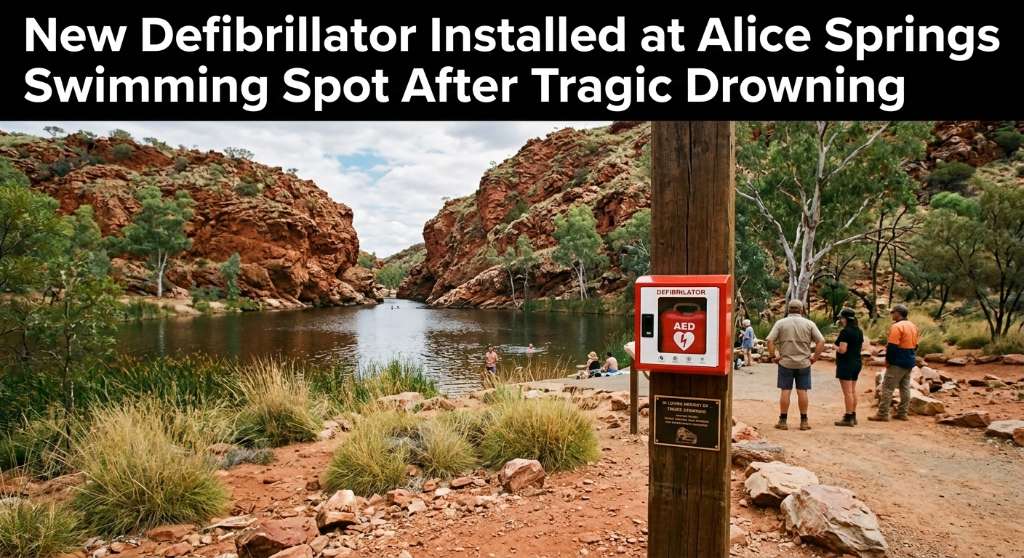
An automated external defibrillator and memorial plaque have been installed at Ellery Creek Big Hole following the death of disability advocate Ellen Fr...
Queensland firefighters spent several hours monitoring a significant grass fire at Mary Kinross Park in Bargara, near Bundaberg, after the blaze broke out on Wednesday evening....