Safety note: Admin approval is an initial review, not a guarantee that every detail is correct. Check important or urgent claims with official sources and report anything inaccurate or unsafe.
Source and credit: Contributor's own report
Two Launceston Men Recall Their Experiences of the September 11 Attacks - Launceston, TAS
Smart summary
Local men Ross Youngman and Ben Gray have spoken about witnessing the 2001 attacks in New York and the lasting impact of the day
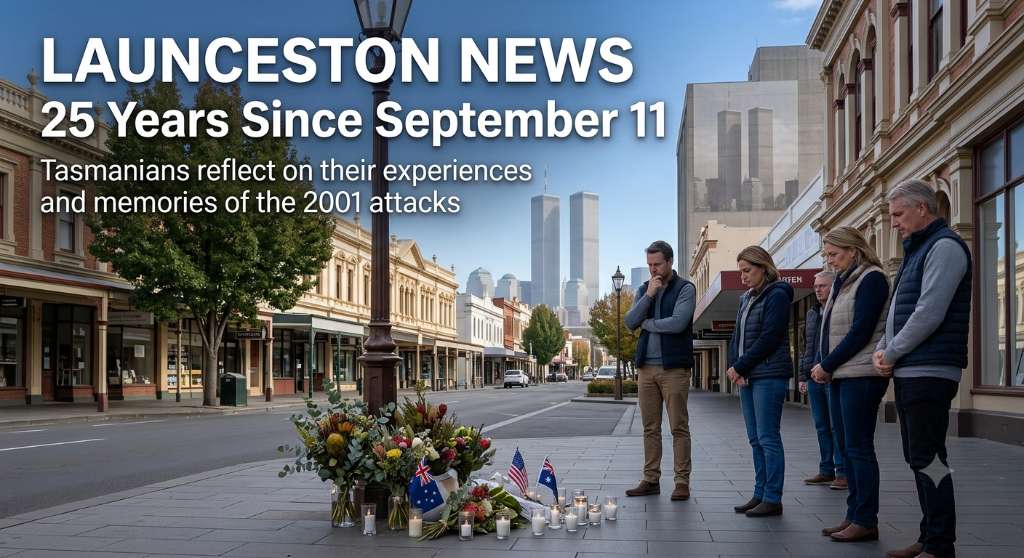
Two men with links to Launceston have shared their personal experiences of witnessing the September 11, 2001 terrorist attacks in New York, more than two decades after the events that changed their lives.
Ross Youngman was working for Deutsche Bank in a building next to the World Trade Center's South Tower when the attacks occurred. He recalled the confusion and destruction as the towers were struck and eventually collapsed, with debris falling onto and damaging the building where he was working.
Youngman and his colleagues were forced to evacuate as the situation deteriorated. He later described the experience as having a lasting psychological impact. After returning to Australia, he experienced symptoms associated with post-traumatic stress, including reactions to vibrations that reminded him of the attacks.
He eventually moved his family back to Australia in 2002. Youngman later became involved with the General Sir John Monash Foundation.
Another Launceston man, Ben Gray, was also working in New York at the time. Gray was an investment banker and witnessed the first plane crash from his office on Madison Avenue.
He recalled seeing the aftermath unfold across the city as people attempted to leave Manhattan. One of his strongest memories was the sight of thousands of people walking away from downtown covered in dust, with an unusual silence replacing the normal activity of New York.
The experience affected Gray for years. He avoided using the subway for a decade and did not return to the downtown area for many years following the attacks.
Both men reflected on how dramatically everyday life changed after September 11. Airport security, travel procedures and public awareness of terrorism were transformed in the years that followed.
Their stories were shared as Australia marks the 25th anniversary of the attacks on September 11, 2026. Ten Australians were among the thousands of people killed in the attacks in New York, Washington DC and Pennsylvania.
For the Launceston community, the accounts provide a local connection to one of the most significant events of the modern era. Rather than focusing only on the broader historical events, the stories highlight how people who were present experienced the uncertainty, fear and confusion personally.
The recollections also demonstrate that the effects of major traumatic events can continue long after the immediate danger has passed. Both men described experiences that influenced their lives and decisions well beyond the day itself.
Their memories form part of the wider Australian remembrance of September 11 and provide a personal perspective from two Tasmanians who were in New York when the attacks occurred.
AttacksWereSeptemberYorkEvents
Two men with links to Launceston have shared their personal experiences of witnessing the September 11, 2001 terrorist attacks in New York, more than two decades after the events that changed their lives.
Ross Youngman was working for Deutsche Bank in a building next to the World Trade Center's South Tower when the attacks occurred. He recalled the confusion and destruction as the towers were struck and eventually collapsed, with debris falling onto and damaging the building where he was working.
Youngman and his colleagues were forced to evacuate as the situation deteriorated. He later described the experience as having a lasting psychological impact. After returning to Australia, he experienced symptoms associated with post-traumatic stress, including reactions to vibrations that reminded him of the attacks.
He eventually moved his family back to Australia in 2002. Youngman later became involved with the General Sir John Monash Foundation.
Another Launceston man, Ben Gray, was also working in New York at the time. Gray was an investment banker and witnessed the first plane crash from his office on Madison Avenue.
He recalled seeing the aftermath unfold across the city as people attempted to leave Manhattan. One of his strongest memories was the sight of thousands of people walking away from downtown covered in dust, with an unusual silence replacing the normal activity of New York.
The experience affected Gray for years. He avoided using the subway for a decade and did not return to the downtown area for many years following the attacks.
Both men reflected on how dramatically everyday life changed after September 11. Airport security, travel procedures and public awareness of terrorism were transformed in the years that followed.
Their stories were shared as Australia marks the 25th anniversary of the attacks on September 11, 2026. Ten Australians were among the thousands of people killed in the attacks in New York, Washington DC and Pennsylvania.
For the Launceston community, the accounts provide a local connection to one of the most significant events of the modern era. Rather than focusing only on the broader historical events, the stories highlight how people who were present experienced the uncertainty, fear and confusion personally.
The recollections also demonstrate that the effects of major traumatic events can continue long after the immediate danger has passed. Both men described experiences that influenced their lives and decisions well beyond the day itself.
Their memories form part of the wider Australian remembrance of September 11 and provide a personal perspective from two Tasmanians who were in New York when the attacks occurred.
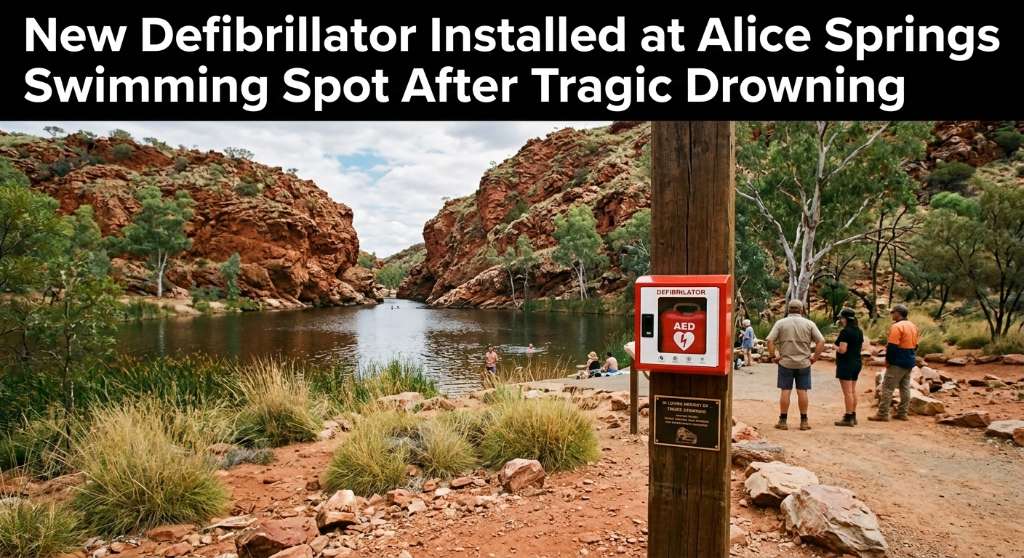
An automated external defibrillator and memorial plaque have been installed at Ellery Creek Big Hole following the death of disability advocate Ellen Fr...
Bathurst New South Wales · Community News · 17 Sep 2026
Kerry “Pecky” Peck, a long-standing Bathurst radio personality, has been inducted into the Bathurst Business Hall of Fame in recognition of his extensive contribution to the loc...
A new specialist family-violence support model has been introduced in Ballarat, with dedicated workers now embedded alongside Victoria Police to help people experiencing family...
Orange New South Wales · Community News · 17 Sep 2026
Orange City Council has elected a new Deputy Mayor for the next two years, with the decision announced today, 17 September 2026. The council said the election took place during...
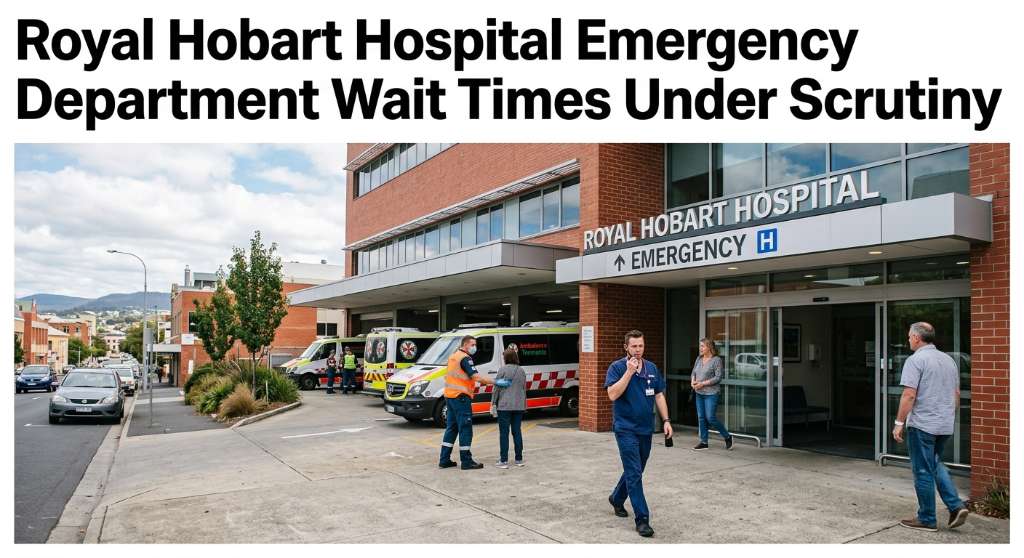
New figures have renewed concerns about emergency department delays at Royal Hobart Hospital, with the health system facing questions over patient waiti...
Cairns Regional Council has unanimously voted to seek $400,000 in Queensland Government funding for a program designed to connect local businesses with the region’s growing film...
An automated external defibrillator and memorial plaque have been installed at Ellery Creek Big Hole following the death of disability advocate Ellen Fr...
Queensland firefighters spent several hours monitoring a significant grass fire at Mary Kinross Park in Bargara, near Bundaberg, after the blaze broke out on Wednesday evening....