Safety note: Admin approval is an initial review, not a guarantee that every detail is correct. Check important or urgent claims with official sources and report anything inaccurate or unsafe.
Source and credit: Contributor's own report
Victoria Orders Poultry Lockdown After Additional H5N1 Bird Flu Cases Confirmed - Melbourne, VIC
Smart summary
The Victorian Government has introduced stronger biosecurity measures after more H5N1 bird flu cases were detected, requiring poultry owners across the state to keep birds enclosed.
Victoria has strengthened its response to the H5N1 avian influenza outbreak after health and agriculture authorities confirmed an additional 20 cases in wild birds on Friday, 7 August 2026. The new detections were identified in greater crested terns along Victoria's south-west coastline, prompting the state government to expand biosecurity measures aimed at protecting commercial poultry farms and backyard bird flocks.
Under the updated restrictions announced today, poultry owners across Victoria are required to keep chickens, ducks and other domestic birds enclosed to minimise contact with wild birds that may carry the virus. Officials say the precaution is designed to reduce the risk of the disease spreading into poultry populations, where it could have significant impacts on agriculture and food production.
Authorities stressed that the newly detected cases remain confined to wild birds and that there is currently no evidence of widespread infection in Victoria's commercial poultry industry. Agriculture officials are continuing surveillance, testing and monitoring programs across affected regions while working closely with farmers and wildlife agencies.
Residents across Melbourne and regional Victoria are being encouraged not to handle sick or dead wild birds and to report unusual bird deaths to the appropriate authorities. Biosecurity experts say early reporting is essential for limiting the spread of infectious diseases and protecting both wildlife and domestic animals.
The government has also reminded poultry owners to strengthen hygiene practices, including restricting visitor access to bird enclosures, cleaning equipment regularly and preventing feed or water sources from being contaminated by wild birds. These measures form part of Victoria's emergency animal disease response plan.
Melbourne, as Victoria's largest population centre, is not the location where the new cases were detected, but the statewide restrictions apply to poultry owners throughout the state, including metropolitan areas. Authorities emphasised that the measures are preventative and are intended to reduce future risks rather than respond to infections within Melbourne itself.
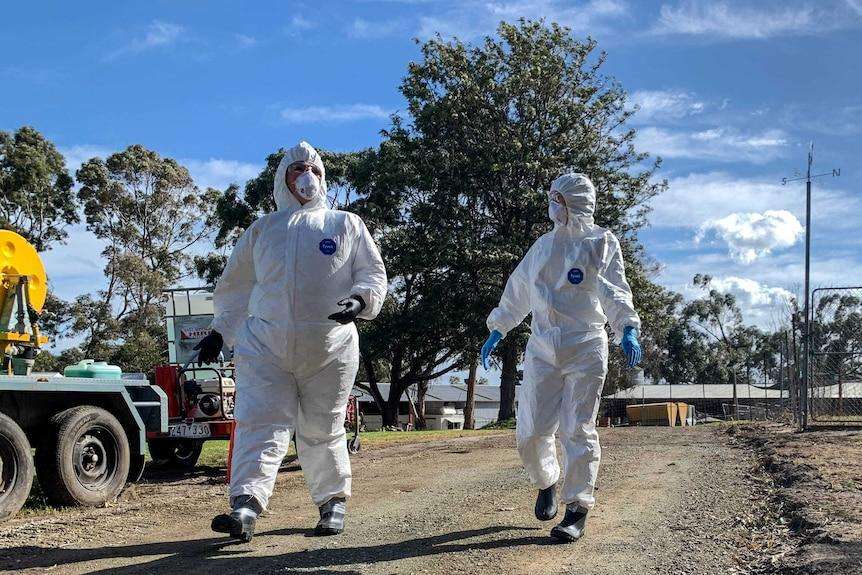
Health officials continue to advise that the risk to the general public remains low. However, people who work with birds or poultry should follow official biosecurity guidance and wear appropriate protective equipment when necessary. Authorities will continue monitoring the situation and provide further updates if additional cases are identified.
The announcement represents one of Victoria's most significant biosecurity actions this year and highlights the importance of early detection, rapid response and community cooperation in managing animal disease outbreaks. Officials say ongoing surveillance will continue across the state to protect wildlife, agriculture and the wider community.
VictoriaPoultryBirdsAuthoritiesCases
Victoria has strengthened its response to the H5N1 avian influenza outbreak after health and agriculture authorities confirmed an additional 20 cases in wild birds on Friday, 7 August 2026. The new detections were identified in greater crested terns along Victoria's south-west coastline, prompting the state government to expand biosecurity measures aimed at protecting commercial poultry farms and backyard bird flocks.
Under the updated restrictions announced today, poultry owners across Victoria are required to keep chickens, ducks and other domestic birds enclosed to minimise contact with wild birds that may carry the virus. Officials say the precaution is designed to reduce the risk of the disease spreading into poultry populations, where it could have significant impacts on agriculture and food production.
Authorities stressed that the newly detected cases remain confined to wild birds and that there is currently no evidence of widespread infection in Victoria's commercial poultry industry. Agriculture officials are continuing surveillance, testing and monitoring programs across affected regions while working closely with farmers and wildlife agencies.
Residents across Melbourne and regional Victoria are being encouraged not to handle sick or dead wild birds and to report unusual bird deaths to the appropriate authorities. Biosecurity experts say early reporting is essential for limiting the spread of infectious diseases and protecting both wildlife and domestic animals.
The government has also reminded poultry owners to strengthen hygiene practices, including restricting visitor access to bird enclosures, cleaning equipment regularly and preventing feed or water sources from being contaminated by wild birds. These measures form part of Victoria's emergency animal disease response plan.
Melbourne, as Victoria's largest population centre, is not the location where the new cases were detected, but the statewide restrictions apply to poultry owners throughout the state, including metropolitan areas. Authorities emphasised that the measures are preventative and are intended to reduce future risks rather than respond to infections within Melbourne itself.
Health officials continue to advise that the risk to the general public remains low. However, people who work with birds or poultry should follow official biosecurity guidance and wear appropriate protective equipment when necessary. Authorities will continue monitoring the situation and provide further updates if additional cases are identified.
The announcement represents one of Victoria's most significant biosecurity actions this year and highlights the importance of early detection, rapid response and community cooperation in managing animal disease outbreaks. Officials say ongoing surveillance will continue across the state to protect wildlife, agriculture and the wider community.
Seven Australian health startups will share $15.6 million in equity-free funding to develop new dementia treatments, early-detection tools, gene therapi...
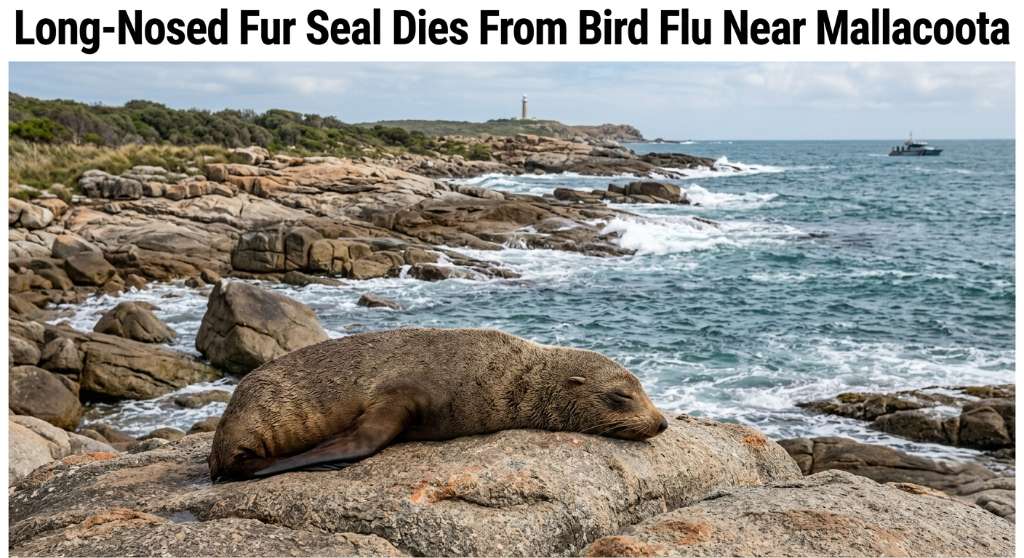
A long-nosed fur seal has died from H5 bird flu on Gabo Island near Mallacoota, with authorities monitoring wildlife and warning people to keep their di...
Hamilton in western Victoria has become the location of Specsavers’ 400th Australian store, with the new regional outlet officially opening as the company expands its eye-care s...
Twenty new emergency department beds at Melbourne's Royal Children's Hospital are expected to remain unused because funding has not been provided for th...
Rose Tattoo frontman Gary “Angry” Anderson has died at 79 after a five-decade career spanning Australian rock music, television, film and youth advocacy.
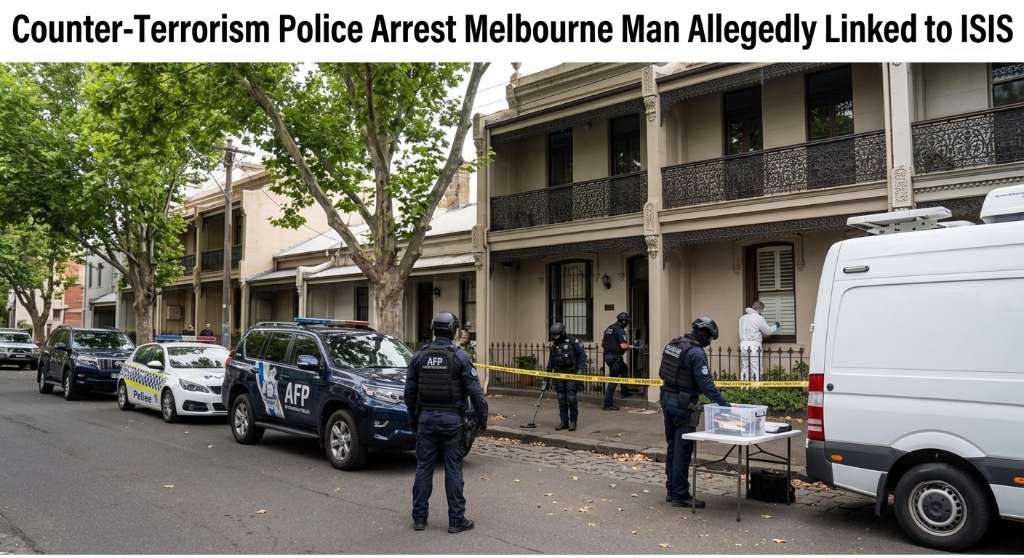
A 65-year-old Melbourne man has been arrested by counter-terrorism police, who allege he pledged allegiance to ISIS and distributed thousands of violent...
A 17-year-old has been sentenced to two years and nine months in detention for his role in a violent home invasion in Melbourne's east that left a man w...
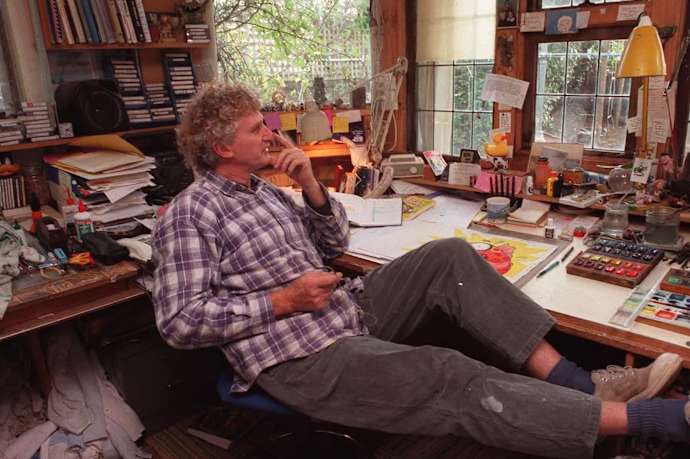
Australian children's author and illustrator Terry Denton, best known for his long-running creative partnership on the popular Treehouse books, has died...
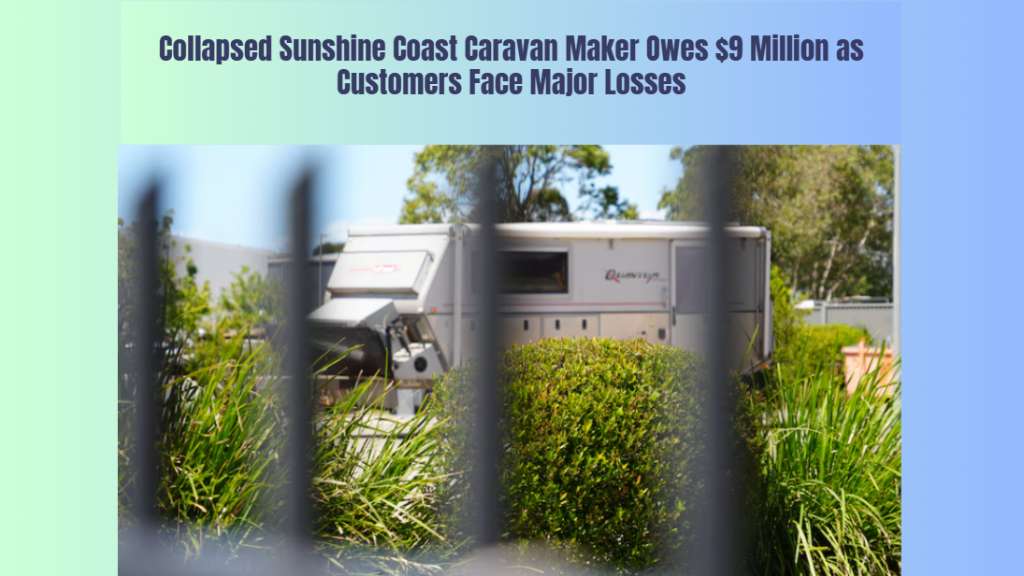
Administrators have revealed Australian Off Road owes about $9 million after the Sunshine Coast caravan manufacturer collapsed, leaving customers, emplo...
A woman has died following a serious three-vehicle collision involving a commercial bus and two cars in Glenburn, in Victoria’s Yarra Ranges, on Thursday, 24 September 2026. Eme...
A woman has died following a serious three-car collision in Leongatha, Victoria, on Wednesday afternoon, 23 September 2026. Emergency services were called to the Strzelecki High...
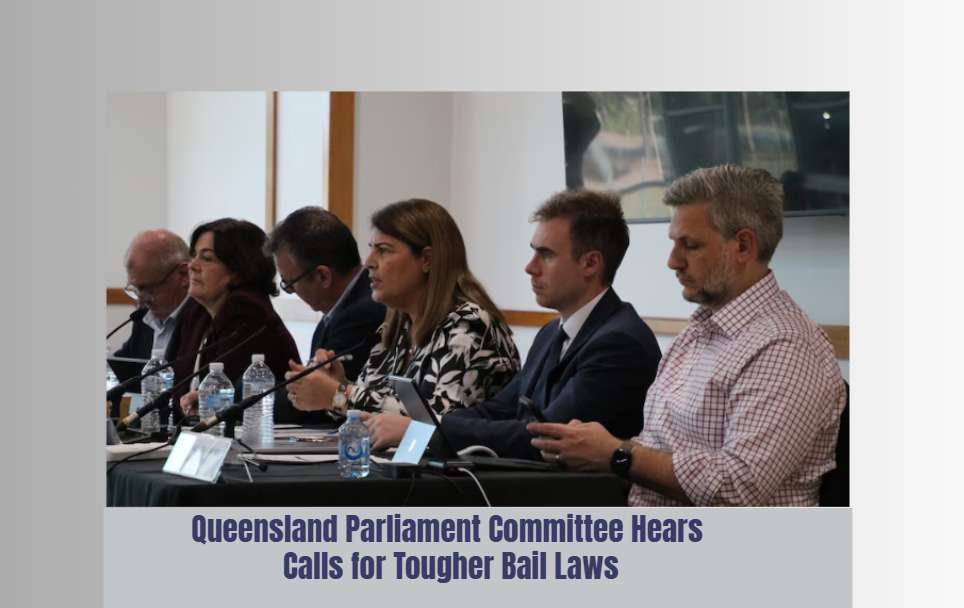
A Queensland parliamentary committee has completed regional hearings on proposed tougher bail laws, hearing from crime victims, legal experts and commun...