Western Australian Shire Considers Taking Over Local Supermarket to Keep It Open
By Chloe · Published 29 Oct 2026 · Updated 29 Oct 2026
Perenjori, WA
Safety note: Admin approval is an initial review, not a guarantee that every detail is correct. Check important or urgent claims with official sources and report anything inaccurate or unsafe.
Source and credit: Contributor's own report
Western Australian Shire Considers Taking Over Local Supermarket to Keep It Open - Perenjori, WA
Smart summary
Perenjori council is exploring running its community supermarket itself after the current operator decided not to renew its lease, raising concerns about access to essential groceries in the regional town.
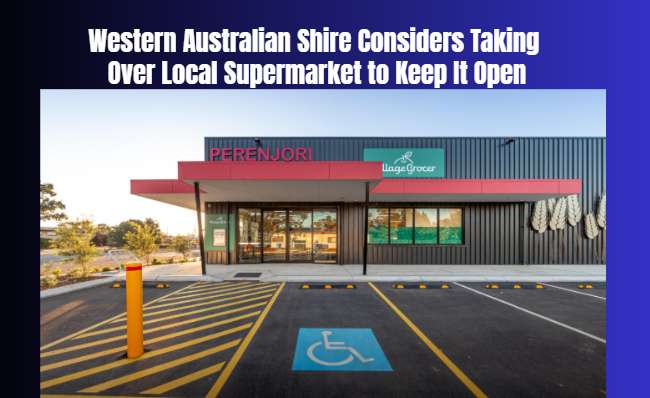
The Shire of Perenjori in Western Australia's Wheatbelt region is considering taking responsibility for operating its local supermarket to prevent the store from closing when its current lease ends next March. The proposal reflects the importance of essential retail services in smaller regional communities, where losing a supermarket can make everyday shopping more difficult for residents.
According to an ABC News regional briefing published on 29 October 2026, the current supermarket operator has decided not to extend the lease on the shire-owned building. In response, the council has prepared a business case examining whether the local government could operate the shop directly. The proposal includes an initial investment of approximately $150,000.
Shire president Jude Sutherland has acknowledged that the supermarket could operate at a loss during its first year. However, the council believes that the value of retaining the service should not be measured only by its immediate profitability. A reliable local grocery store provides residents with access to everyday necessities and helps maintain the town's appeal for families, workers and visitors.
For regional communities, supermarkets serve a role beyond simply selling food. Residents depend on them for fresh produce, dairy products, household supplies and other essential goods. When a local shop closes, people may need to travel to another town, adding fuel costs, travel time and inconvenience to their weekly budgets. These difficulties can be particularly significant for older residents, people without reliable transport and families managing busy work and school schedules.
Perenjori has previously experienced the consequences of losing a supermarket. The town's earlier store closed in 2018, leaving residents facing lengthy journeys to obtain groceries. A replacement supermarket eventually opened in 2025 following a major local effort to restore the service. The prospect of another closure therefore raises questions about the long-term sustainability of essential businesses in smaller towns.
Operating a supermarket would present financial and practical challenges for the shire. The council would need to consider staffing, stock purchasing, supplier arrangements, operating expenses and the management of any losses. It would also need to determine how the store could remain affordable for customers while keeping costs under control. The proposed business case is intended to help councillors assess whether direct operation is a workable option.
The shire has invited public feedback on the proposal, with submissions open until 9 December 2026. Community responses will help inform the council's consideration of the supermarket's future and the level of local support for the plan.
As the lease deadline approaches, Perenjori's decision will be important for residents who rely on convenient access to groceries. The council's proposal highlights the difficult choices facing regional local governments when a service is essential to community life but may not be commercially profitable. No final decision to take over the supermarket has been confirmed in the report.
SupermarketResidentsCouncilShireEssential
The Shire of Perenjori in Western Australia's Wheatbelt region is considering taking responsibility for operating its local supermarket to prevent the store from closing when its current lease ends next March. The proposal reflects the importance of essential retail services in smaller regional communities, where losing a supermarket can make everyday shopping more difficult for residents.
According to an ABC News regional briefing published on 29 October 2026, the current supermarket operator has decided not to extend the lease on the shire-owned building. In response, the council has prepared a business case examining whether the local government could operate the shop directly. The proposal includes an initial investment of approximately $150,000.
Shire president Jude Sutherland has acknowledged that the supermarket could operate at a loss during its first year. However, the council believes that the value of retaining the service should not be measured only by its immediate profitability. A reliable local grocery store provides residents with access to everyday necessities and helps maintain the town's appeal for families, workers and visitors.
For regional communities, supermarkets serve a role beyond simply selling food. Residents depend on them for fresh produce, dairy products, household supplies and other essential goods. When a local shop closes, people may need to travel to another town, adding fuel costs, travel time and inconvenience to their weekly budgets. These difficulties can be particularly significant for older residents, people without reliable transport and families managing busy work and school schedules.
Perenjori has previously experienced the consequences of losing a supermarket. The town's earlier store closed in 2018, leaving residents facing lengthy journeys to obtain groceries. A replacement supermarket eventually opened in 2025 following a major local effort to restore the service. The prospect of another closure therefore raises questions about the long-term sustainability of essential businesses in smaller towns.
Operating a supermarket would present financial and practical challenges for the shire. The council would need to consider staffing, stock purchasing, supplier arrangements, operating expenses and the management of any losses. It would also need to determine how the store could remain affordable for customers while keeping costs under control. The proposed business case is intended to help councillors assess whether direct operation is a workable option.
The shire has invited public feedback on the proposal, with submissions open until 9 December 2026. Community responses will help inform the council's consideration of the supermarket's future and the level of local support for the plan.
As the lease deadline approaches, Perenjori's decision will be important for residents who rely on convenient access to groceries. The council's proposal highlights the difficult choices facing regional local governments when a service is essential to community life but may not be commercially profitable. No final decision to take over the supermarket has been confirmed in the report.
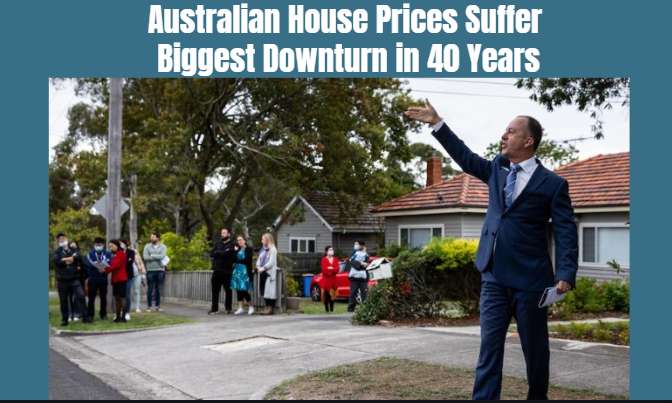
Australian property values have fallen for seven consecutive months, with the national median home value dropping approximately $63,400 since March as h...
Around 8,000 customers in Western Australia's coastal city of Albany will need to replace gas appliances with electric alternatives or switch to bottled...
Buyers from Sydney and Melbourne are purchasing homes in Alice Springs at a rapid pace, attracted by strong rental returns and limited housing availabil...
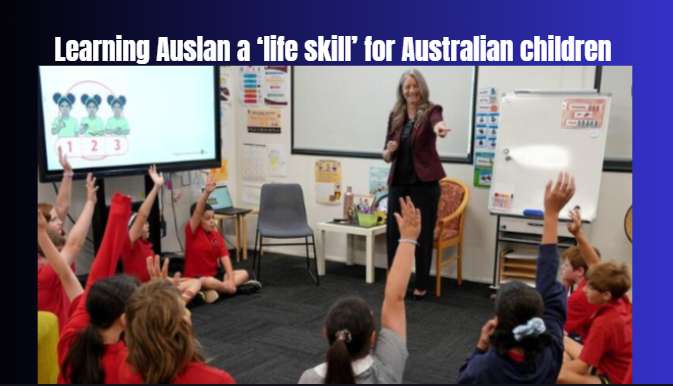
Growing awareness of Auslan is highlighting the importance of teaching children sign language and helping them communicate with people who are deaf or h...
A fisherman escaped unharmed after a large crocodile climbed onto his boat while he was fishing alone on the Mary River, prompting renewed safety warnin...
A filmmaker from Bourke in western New South Wales has taken over leadership of an Indigenous film festival in Paris, creating an opportunity to bring A...
Concerns are growing over the reliability and availability of Australia's public electric vehicle charging network, with thousands of charging points po...
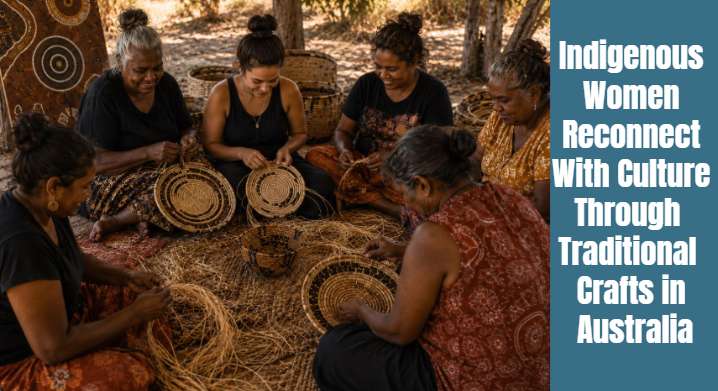
Indigenous women are using traditional weaving and craft-making to strengthen cultural connections, preserve knowledge passed down through generations a...
A psychiatric report presented to South Australia's Supreme Court has raised questions about Tamika Chesser's mental competence in the case involving th...
A freedom of information request has revealed that Gold Coast Council does not hold a copy of the invoice for Mayor Tom Tate's three-day stay at Donald...