Safety note: Admin approval is an initial review, not a guarantee that every detail is correct. Check important or urgent claims with official sources and report anything inaccurate or unsafe.
Source and credit: Contributor's own report
Margaret River Tiny Homes Project Delayed by Red Tape as Housing Crisis Grows - Busselton, WA
Smart summary
A proposed tiny home village for people experiencing homelessness in Margaret River has faced years of planning delays, with advocates calling for faster approvals to address the region’s housing shortage.
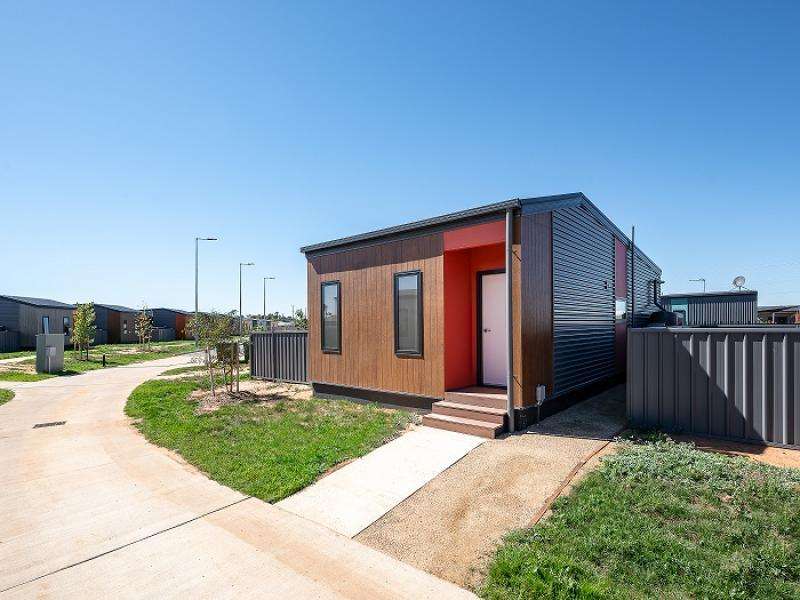
A community housing project aimed at providing small homes for people experiencing homelessness in Margaret River has been delayed by years of planning and land approval processes, according to housing advocates. The proposal, led by charity My Home, is designed to create a village of prefabricated small homes on unused land and provide safe, affordable accommodation for vulnerable residents.
Margaret River, one of Western Australia’s most popular tourism destinations, has been facing increasing housing pressure as demand for short-term holiday accommodation contributes to high rental costs. Community groups say many local workers, including essential and service industry employees, are struggling to find affordable places to live despite being employed.
The tiny homes proposal involves building 11 prefabricated small houses on the site of old railway barracks land. Supporters say the project could provide a practical solution for people who are homeless or at risk of losing housing, while also making use of vacant land that is currently unused.
My Home founder Michelle Blakeley said the process of securing land access and completing approvals has taken several years. She argued that housing organisations need simpler pathways to deliver social housing projects more quickly, especially during a period when many communities are experiencing a shortage of affordable accommodation.
The organisation has already delivered small social housing projects in other parts of Western Australia, including North Fremantle, Albany and Carlisle. Supporters believe similar models could help regional communities where traditional housing construction is expensive and slow.
The project is now moving through the planning assessment process. The Shire of Augusta Margaret River has indicated that it supports initiatives that improve access to safe and affordable housing and will assess the application according to planning requirements.
However, government representatives have disputed claims that government processes alone caused delays, saying the project’s timeline also involved site investigations and other planning considerations. Authorities have said the land’s status and future arrangements must be carefully considered before development can proceed.
Housing advocates across Australia have increasingly looked at tiny homes and modular housing as possible tools to help address affordability challenges. Supporters say these homes can often be delivered faster than traditional housing, while critics argue that planning rules, safety standards and infrastructure requirements must still be considered.
For Margaret River residents, the debate highlights a wider challenge facing many regional towns: balancing tourism growth with the need to provide housing for local communities. Rising rents and limited availability have made it increasingly difficult for some residents to remain in the areas where they work.
The tiny homes proposal represents one possible approach to the region’s housing challenges. Supporters hope that improved cooperation between charities, governments and planning authorities will allow innovative housing solutions to be delivered faster for people in need.
HousingHomesLandPlanningMargaret
A community housing project aimed at providing small homes for people experiencing homelessness in Margaret River has been delayed by years of planning and land approval processes, according to housing advocates. The proposal, led by charity My Home, is designed to create a village of prefabricated small homes on unused land and provide safe, affordable accommodation for vulnerable residents.
Margaret River, one of Western Australia’s most popular tourism destinations, has been facing increasing housing pressure as demand for short-term holiday accommodation contributes to high rental costs. Community groups say many local workers, including essential and service industry employees, are struggling to find affordable places to live despite being employed.
The tiny homes proposal involves building 11 prefabricated small houses on the site of old railway barracks land. Supporters say the project could provide a practical solution for people who are homeless or at risk of losing housing, while also making use of vacant land that is currently unused.
My Home founder Michelle Blakeley said the process of securing land access and completing approvals has taken several years. She argued that housing organisations need simpler pathways to deliver social housing projects more quickly, especially during a period when many communities are experiencing a shortage of affordable accommodation.
The organisation has already delivered small social housing projects in other parts of Western Australia, including North Fremantle, Albany and Carlisle. Supporters believe similar models could help regional communities where traditional housing construction is expensive and slow.
The project is now moving through the planning assessment process. The Shire of Augusta Margaret River has indicated that it supports initiatives that improve access to safe and affordable housing and will assess the application according to planning requirements.
However, government representatives have disputed claims that government processes alone caused delays, saying the project’s timeline also involved site investigations and other planning considerations. Authorities have said the land’s status and future arrangements must be carefully considered before development can proceed.
Housing advocates across Australia have increasingly looked at tiny homes and modular housing as possible tools to help address affordability challenges. Supporters say these homes can often be delivered faster than traditional housing, while critics argue that planning rules, safety standards and infrastructure requirements must still be considered.
For Margaret River residents, the debate highlights a wider challenge facing many regional towns: balancing tourism growth with the need to provide housing for local communities. Rising rents and limited availability have made it increasingly difficult for some residents to remain in the areas where they work.
The tiny homes proposal represents one possible approach to the region’s housing challenges. Supporters hope that improved cooperation between charities, governments and planning authorities will allow innovative housing solutions to be delivered faster for people in need.
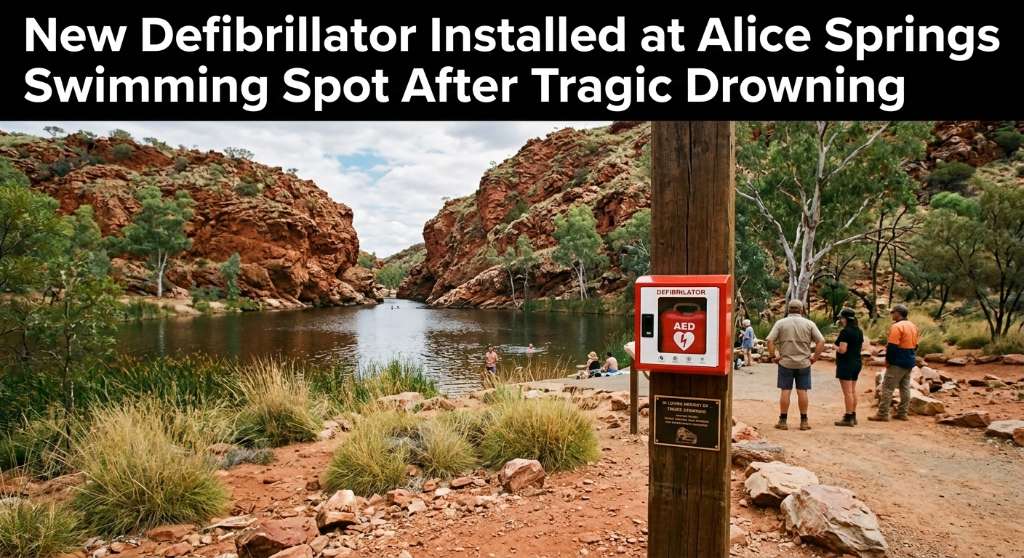
An automated external defibrillator and memorial plaque have been installed at Ellery Creek Big Hole following the death of disability advocate Ellen Fr...
Bathurst New South Wales · Community News · 17 Sep 2026
Kerry “Pecky” Peck, a long-standing Bathurst radio personality, has been inducted into the Bathurst Business Hall of Fame in recognition of his extensive contribution to the loc...
A new specialist family-violence support model has been introduced in Ballarat, with dedicated workers now embedded alongside Victoria Police to help people experiencing family...
Orange New South Wales · Community News · 17 Sep 2026
Orange City Council has elected a new Deputy Mayor for the next two years, with the decision announced today, 17 September 2026. The council said the election took place during...
Global diesel shortages and disrupted shipping routes are pushing up fuel costs and creating growing risks for Australia’s farmers, miners and wider eco...
A push is underway to expand NSW Police drone technology to Gunnedah, with the equipment proposed for crime response, offender searches and emergencies.
Cairns Regional Council has unanimously voted to seek $400,000 in Queensland Government funding for a program designed to connect local businesses with the region’s growing film...
An automated external defibrillator and memorial plaque have been installed at Ellery Creek Big Hole following the death of disability advocate Ellen Fr...
Queensland firefighters spent several hours monitoring a significant grass fire at Mary Kinross Park in Bargara, near Bundaberg, after the blaze broke out on Wednesday evening....