Safety note: Admin approval is an initial review, not a guarantee that every detail is correct. Check important or urgent claims with official sources and report anything inaccurate or unsafe.
Source and credit: Contributor's own report
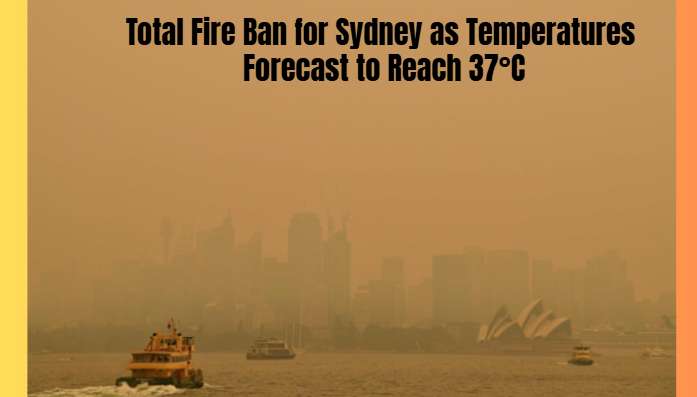
Total Fire Ban for Sydney as Temperatures Forecast to Reach 37°C - Sydney, NSW
Smart summary
Extreme heat, dry conditions and possible thunderstorms have prompted fire danger warnings across Greater Sydney and the Greater Hunter region.
Sydney and surrounding parts of New South Wales are facing elevated bushfire danger as hot, dry weather and the possibility of thunderstorms create hazardous conditions on Monday, 12 October 2026.
A total fire ban has been imposed across Greater Sydney and the Greater Hunter region. Authorities have warned residents to avoid activities that could accidentally start a fire, particularly during the hottest part of the day.
Temperatures in Sydney’s western suburbs are forecast to approach 37°C, with Mount Druitt among the areas expected to experience the highest temperatures. The conditions are significantly warmer than usual for October and could place additional pressure on residents, outdoor workers and emergency services.
The Bureau of Meteorology has warned that thunderstorms could bring potentially damaging winds. However, limited rainfall is expected, increasing concern about dry lightning. This occurs when lightning strikes the ground but produces little rain capable of dampening vegetation. If a strike ignites dry grass, scrub or forest, a fire can develop and spread quickly.
The NSW Rural Fire Service has urged people to take precautions throughout the day. Under the total fire ban, outdoor fires and solid-fuel barbecues are prohibited, along with certain activities involving equipment that can generate sparks, including grinding and welding.
Residents should check current warnings before travelling, avoid unnecessary activities that could produce sparks and keep a close watch on changing weather conditions. Anyone who sees a fire should report it to emergency services rather than attempting to tackle a dangerous blaze themselves.
The heat also creates risks for people who spend long periods outdoors. Drinking water regularly, seeking shade, limiting strenuous activity during the hottest hours and checking on older people and other vulnerable residents can help reduce the effects of extreme temperatures.
Emergency authorities have also highlighted the importance of timely public warnings. Australia's Aus Alert emergency notification system is intended to deliver alerts to compatible mobile phones in affected areas. Its availability and implementation vary by state and territory.
The situation demonstrates how extreme heat, dry vegetation and thunderstorms can combine to increase fire danger, even when rain is forecast. Conditions can change rapidly, so residents should follow official NSW Rural Fire Service alerts and Bureau of Meteorology updates for their specific locations.
The fire ban and forecast temperatures are the central concerns for Sydney residents today. Following restrictions and preparing for sudden changes in weather can help protect homes, communities and emergency responders.
FireResidentsEmergencySydneyTemperatures
Sydney and surrounding parts of New South Wales are facing elevated bushfire danger as hot, dry weather and the possibility of thunderstorms create hazardous conditions on Monday, 12 October 2026.
A total fire ban has been imposed across Greater Sydney and the Greater Hunter region. Authorities have warned residents to avoid activities that could accidentally start a fire, particularly during the hottest part of the day.
Temperatures in Sydney’s western suburbs are forecast to approach 37°C, with Mount Druitt among the areas expected to experience the highest temperatures. The conditions are significantly warmer than usual for October and could place additional pressure on residents, outdoor workers and emergency services.
The Bureau of Meteorology has warned that thunderstorms could bring potentially damaging winds. However, limited rainfall is expected, increasing concern about dry lightning. This occurs when lightning strikes the ground but produces little rain capable of dampening vegetation. If a strike ignites dry grass, scrub or forest, a fire can develop and spread quickly.
The NSW Rural Fire Service has urged people to take precautions throughout the day. Under the total fire ban, outdoor fires and solid-fuel barbecues are prohibited, along with certain activities involving equipment that can generate sparks, including grinding and welding.
Residents should check current warnings before travelling, avoid unnecessary activities that could produce sparks and keep a close watch on changing weather conditions. Anyone who sees a fire should report it to emergency services rather than attempting to tackle a dangerous blaze themselves.
The heat also creates risks for people who spend long periods outdoors. Drinking water regularly, seeking shade, limiting strenuous activity during the hottest hours and checking on older people and other vulnerable residents can help reduce the effects of extreme temperatures.
Emergency authorities have also highlighted the importance of timely public warnings. Australia's Aus Alert emergency notification system is intended to deliver alerts to compatible mobile phones in affected areas. Its availability and implementation vary by state and territory.
The situation demonstrates how extreme heat, dry vegetation and thunderstorms can combine to increase fire danger, even when rain is forecast. Conditions can change rapidly, so residents should follow official NSW Rural Fire Service alerts and Bureau of Meteorology updates for their specific locations.
The fire ban and forecast temperatures are the central concerns for Sydney residents today. Following restrictions and preparing for sudden changes in weather can help protect homes, communities and emergency responders.
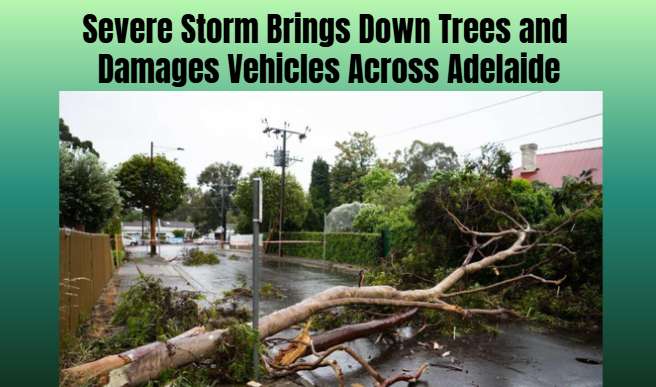
Large hailstones and damaging winds battered Adelaide, prompting more than 100 emergency assistance calls as fallen trees blocked streets and struck veh...
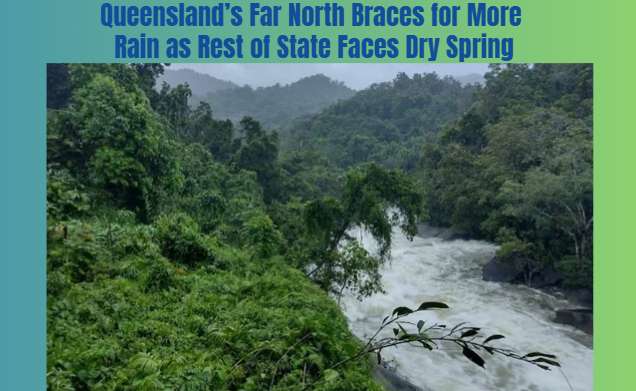
Unseasonably wet, cool conditions are expected to continue in Far North Queensland through spring, while much of the state faces below-average rainfall...
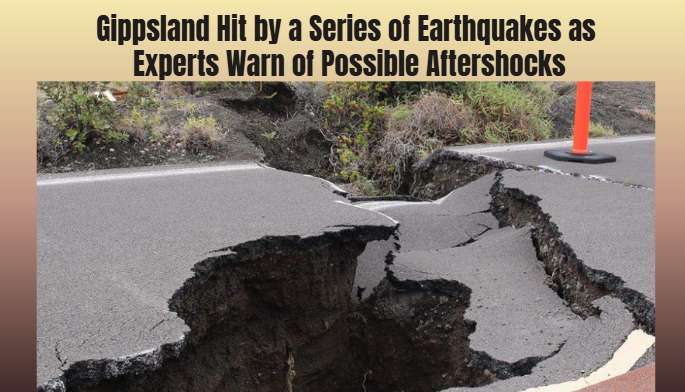
Nine earthquakes have shaken Victoria’s Gippsland region over a short period, prompting seismologists to explain the likelihood of further aftershocks a...
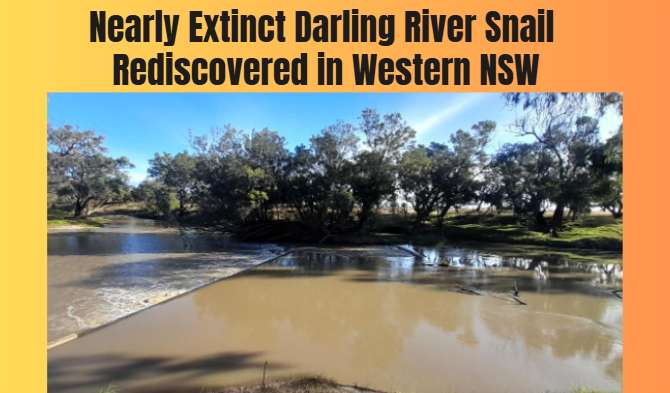
A small colony of critically endangered Darling River snails has been discovered at a weir near Walgett, offering fresh hope for a species that was fear...
Two teenagers have been charged in connection with the fatal stabbing of a 36-year-old man in Mount Druitt, as homicide detectives continue investigating.
The Sydney Olympic Park apartment complex has been officially declared defect-free following years of repairs, legal disputes and compensation efforts a...
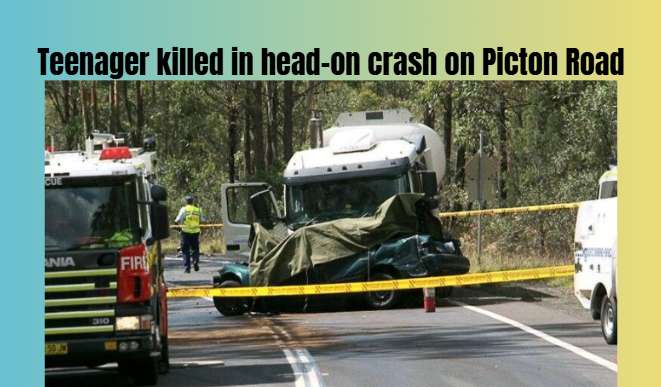
A driver believed to be in his late teens died after two vehicles collided head-on near Wilton, south-west of Sydney. The other driver was taken to hosp...
New government analysis estimates that 78,000 Australians aged 65 and over could leave private health insurance by 2030 if proposed changes to the rebat...
Nicolette Di Lernia steps down as a parliamentary inquiry examines governance, volunteer disputes and the management of South Australia's historic herit...
Buru Energy has referred its proposed Rafael conventional gas project for environmental assessment, with supporters citing regional energy security and...